Colonial rule refers to the period when foreign powers controlled territories. It often involved the exploitation of resources and suppression of local cultures. In India, British colonial rule lasted nearly two centuries. It significantly impacted the economy, society, and governance. The legacy includes both advancements and deep-rooted issues. Understanding this period is crucial for comprehending contemporary Indian identity and challenges.
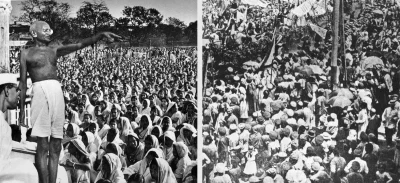
The Non-Cooperation Movement was a very important mass protest in India, initiated by Mahatma Gandhi in 1920. It aimed to challenge British colonial rule by urging Indians to...
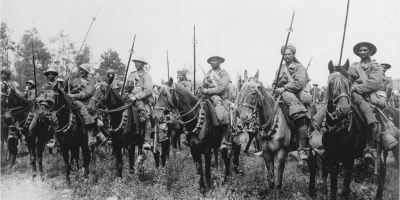
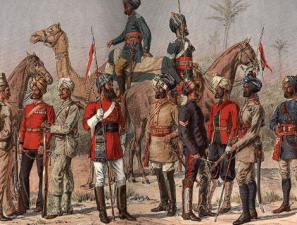
The British Indian Army was a key military force during British colonial rule in India. It played role in maintaining control and enforcing British interests. The army underwent...
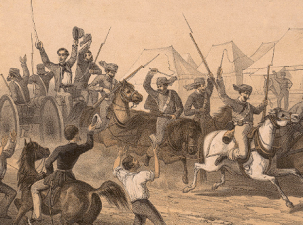
The 1857 Revolt, also known as the Sepoy Mutiny, was uprising against British rule in India. It marked a turning point in the relationship between the British Empire...
The British administration in India was a structured system aimed at consolidating imperial control. It evolved from the East India Company’s initial governance to a comprehensive bureaucratic framework...