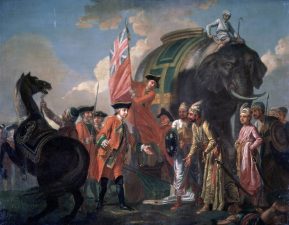
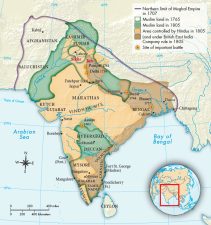
Colonialism refers to the practice of acquiring control over foreign territories. It often involved the exploitation of resources and people. Many nations experienced significant cultural and economic changes due to colonial rule. In India, British colonialism left a lasting impact on society, law, and governance. The struggle for independence shaped national identity and led to the establishment of a democratic constitution.
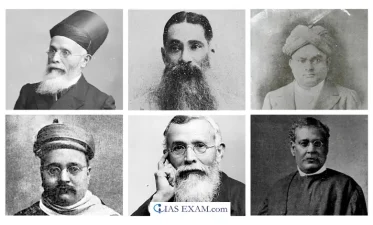
The Moderate Phase of the Indian National Congress (INC) spanned from 1885 to 1905. It was characterised by a focus on constitutional reform and dialogue with the British...
The Divide and Rule policy is a colonial strategy aimed at maintaining control over a population by encouraging divisions. This approach was notably employed by the British in...
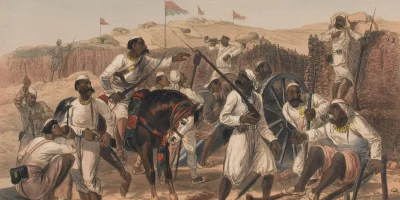
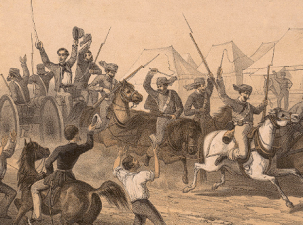
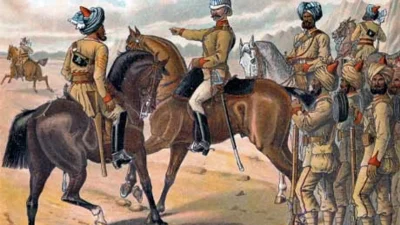
The Revolt of 1857, also known as the First War of Indian Independence, was uprising against British rule in India. It marked important turning point in Indian history....
The Revolt of 1857, also known as the First War of Indian Independence, marked uprising against British colonial rule in India. This revolt was driven by various political,...
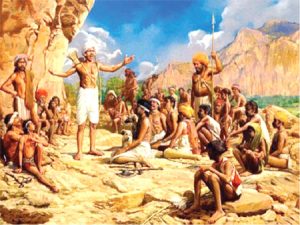
Peasant and tribal uprisings in India emerged as a response to colonial exploitation. These revolts were driven by oppressive policies and economic hardships imposed by the British. The...
The Sanyasi Revolt, also known as the Sanyasi and Fakir Rebellion, occurred in the late 18th century in Bengal, Bihar, and Uttar Pradesh. It was uprising against British...
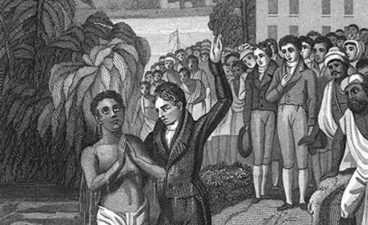
Christian missionary activities in British India spanned from the 18th to the 20th century. These efforts were closely linked to British colonial rule. The arrival of missionaries began...
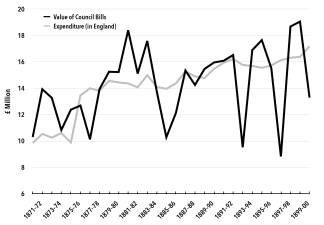
The Drain of Wealth Theory describes the economic exploitation of India during British colonial rule. It marks the unidirectional flow of wealth from India to Britain without any...
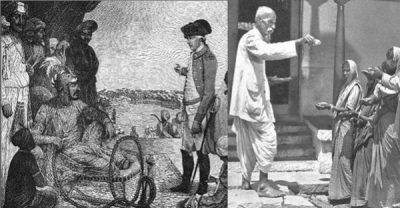
The Battle of Plassey occurred on 23rd June 1757 near Plassey in Bengal. This battle marked a very important moment in Indian history. The British East India Company,...
In the late 15th century, European powers began exploring new trade routes. This led to the arrival of Vasco da Gama in India in 1498. His journey established...