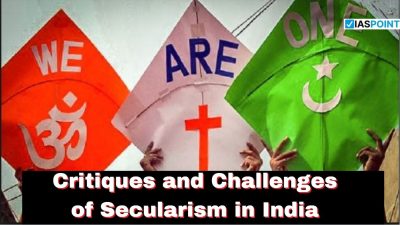
Communal tensions refer to conflicts between different religious or ethnic groups. These tensions often arise from historical grievances, economic disparities, or political manipulation. In India, such tensions can lead to violence and social unrest. They challenge the nation’s secular fabric and democratic principles. Efforts to promote harmony and understanding are essential for national unity and progress. Education and dialogue play crucial roles in this process.
Definition and Conceptual Framework Secularism in India is defined as the separation of religion from the State. It aims to ensure equal treatment of all religions and promote...
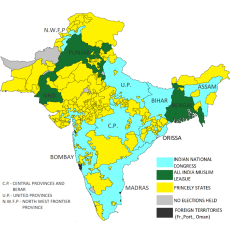
The 1946 elections in undivided India marked a very important moment in the subcontinent's history. They were primarily contested between the Indian National Congress and the All India...
The Cabinet Mission Plan of 1946 was a very important British initiative aimed at transferring power to India. It sought to maintain India's unity while addressing demands from...
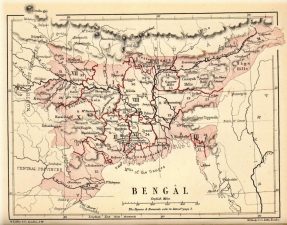
The Partition of Bengal occurred on 16 October 1905 during the viceroyalty of Lord Curzon. Bengal was a vast province, encompassing present-day West Bengal, Bihar, Odisha, Bangladesh, and...
Recent events in Sambhal district, Uttar Pradesh, have escalated tensions over the Shahi Jama Masjid. A violent clash resulted in three fatalities as surveyors were dispatched to assess...