The Constitution of India is the supreme law of the country. It was adopted on 26th January 1950. The document outlines the framework for governance. It establishes fundamental rights and duties for citizens. The Constitution also defines the structure of government. It promotes justice, liberty, and equality. It reflects India's diverse culture and values. Amendments can be made to address changing needs.
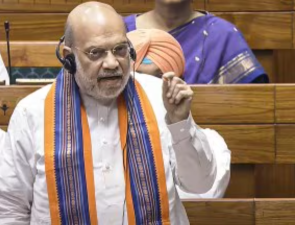
The Constitution (One Hundred and Thirtieth Amendment) Bill, 2025, introduced in August 2025, seeks to address the issue of criminality in Indian politics. It proposes that Ministers, Chief...
The Jan Vishwas (Amendment of Provisions) Bill, 2025, introduced recently in the Lok Sabha, aims to amend 16 Central Acts. It seeks to decriminalise various offences and rationalise...
The 130th Amendment Bill has revived critical questions about India’s federal structure. It proposes automatic removal of ministers, including Chief Ministers and the Prime Minister, if held in...
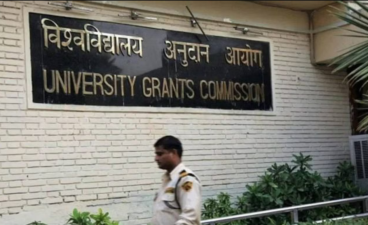
The University Grants Commission (UGC) in 2025 released draft Learning Outcomes-based Curriculum Framework (LOCF) for multiple disciplines. This new curriculum marks the integration of Indian Knowledge Systems (IKS)...
The Kerala High Court introduced the first comprehensive policy in India governing the use of Artificial Intelligence (AI) in district judiciary processes. This move marks step toward modernising...
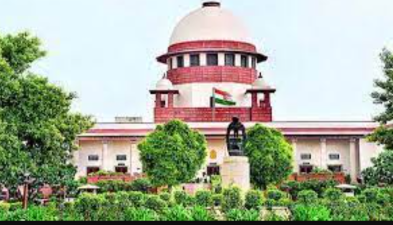
The Supreme Court of India issued an order to capture and shelter all street dogs in New Delhi. The directive aimed to address public safety concerns but was...
Recent concerns over electoral roll discrepancies have raised alarms about the health of representative democracy. Issues like inaccurate voter details, duplicate entries, ghost voters and ineligible names enable...
The Chhattisgarh High Court’s judgment in a custodial death case sparked intense debate on the rule of law and police accountability. The court noted that police officers intended...
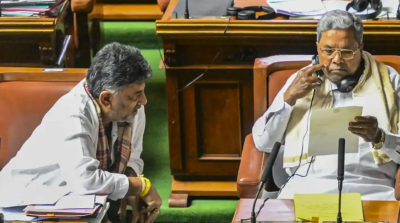
The Karnataka Assembly recently passed the Karnataka Platform-based Gig Workers (Social Security and Welfare) Bill. This law aims to provide social security and better working conditions for gig...
India’s higher education system is undergoing a major transformation to improve access, quality, and future readiness. The goal is to nearly double the student population by 2035 and...