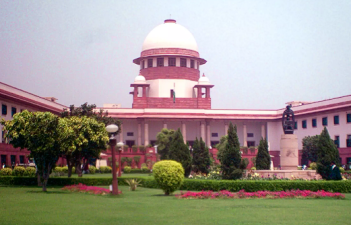
The Constitution of India is the supreme law of the country. It was adopted on 26th January 1950. The document outlines the framework for governance. It establishes fundamental rights and duties for citizens. The Constitution also defines the structure of government. It promotes justice, liberty, and equality. It reflects India's diverse culture and values. Amendments can be made to address changing needs.
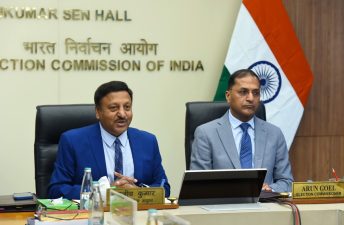
The appointment of the Chief Election Commissioner (CEC) in India has undergone changes recently. Traditionally, the next senior-most Election Commissioner was appointed as the CEC. However, the Chief...
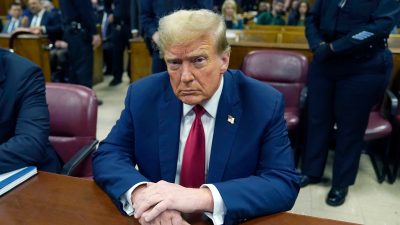
In January 2025, Donald Trump was sentenced to an unconditional discharge by Justice Juan Merchan in a New York State Supreme Court. This unprecedented decision came shortly before...
The Punjab government has formally rejected the central government's Agriculture Mandi Policy blueprint. This decision stems from concerns about how the policy would affect Punjab's agricultural framework. The...
The Supreme Court of India recently dismissed petitions seeking a review of its earlier ruling on same-sex marriage. This decision comes after a five-judge bench carefully examined previous...
The Delhi Land Reforms Act of 1954 has ignited political debate in 2025. Former Chief Minister Arvind Kejriwal has accused Prime Minister Narendra Modi of failing to repeal...
The Digital Personal Data Protection (DPDP) Rules 2025 were drafted to operationalise the Digital Personal Data Protection Act 2023. These rules aim to enhance the protection of personal...
The Indian Central Government has initiated reform aimed at addressing the plight of undertrial prisoners. This follows the introduction of Section 479 of the Bharatiya Nagarik Suraksha Sanhita,...
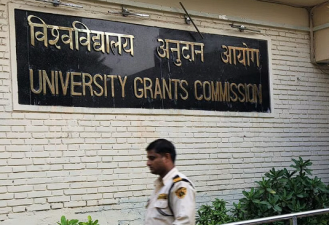
The University Grants Commission (UGC) has introduced new regulations for the appointment and promotion of academic staff in universities and colleges. Announced on January 6, 2025, by Union...
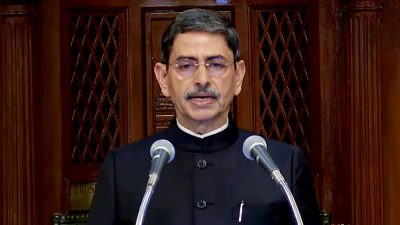
In January 2025, incident unfolded in Tamil Nadu's Legislative Assembly. Governor R.N. Ravi left the assembly without delivering his customary address. His departure was attributed to the absence...
On January 2, 2025, the Supreme Court of India clarified the police's authority to investigate crimes. The ruling distinguished between cognizable and non-cognizable offences. Cognizable offences allow immediate...