Cultural contributions encompass the diverse influences that shape a society. They include art, music, literature, and traditions. These elements reflect a community's values and history. In India, cultural contributions are vast and varied. They showcase the richness of its heritage. From classical dance forms to intricate handicrafts, each aspect tells a story. Understanding these contributions fosters appreciation and unity.
The Mughal Empire was a prominent power in India from the early 16th to the 19th century. Its decline began in the late 17th century. Several factors contributed...
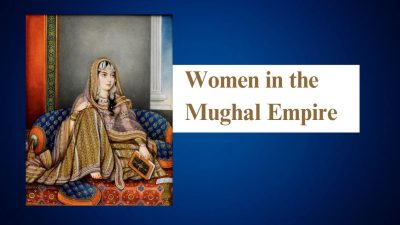
The Mughal Empire was marked by a rich cultural heritage and an intricate social hierarchy. Women’s roles were largely determined by their caste, religion, and social standing. Aristocratic...
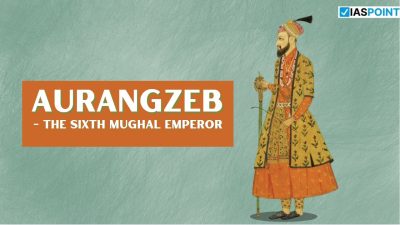
Aurangzeb was born on 3 November 1618 in Dahod. His father was Shah Jahan, the fifth Mughal emperor, and his mother was Mumtaz Mahal. He was the third...
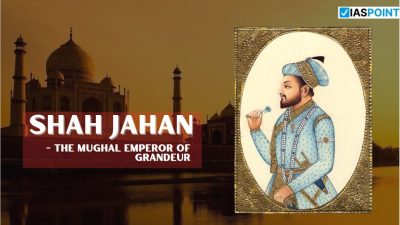
Shah Jahan, born on 5 January 1592, was the fifth Mughal Emperor, ruling from 1628 to 1658. He is renowned for his contributions to art and architecture, particularly...
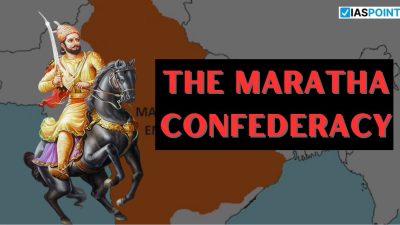
The Maratha Confederacy, also known as the Maratha Empire, was a prominent political entity in the Indian subcontinent during the early modern period. Established in 1674, it grew...
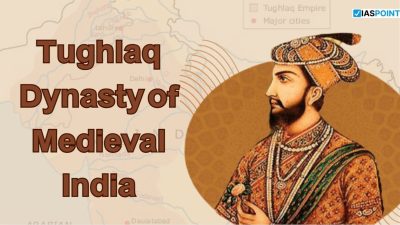
The Tughlaq dynasty was a prominent ruling dynasty in medieval India. It originated from Turk-Indian roots. The dynasty governed the Sultanate of Delhi from 1320 to 1413. It...
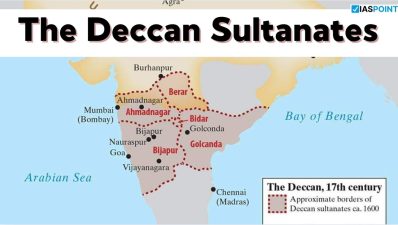
The Deccan Sultanates were five prominent Muslim-ruled dynasties in South-Central India during the medieval period. They emerged after the disintegration of the Bahmani Sultanate in the 15th century....
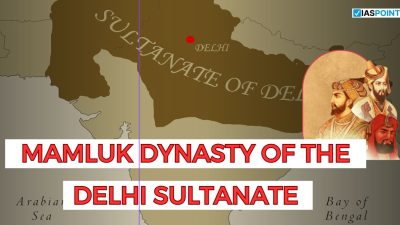
The Mamluk Dynasty, also known as the Slave Dynasty, ruled the Delhi Sultanate from 1206 to 1290 CE. This period marked the establishment of Muslim rule in Northern...
The Vijayanagar Empire, established in 1336, was South Indian kingdom. Founded by brothers Harihara and Bukka, it emerged as a powerful state in Karnataka. The empire is renowned...
The Sikh Empire emerged in the late 15th century, rooted in the teachings of Guru Nanak. It transformed into political and military power under various Sikh leaders, particularly...