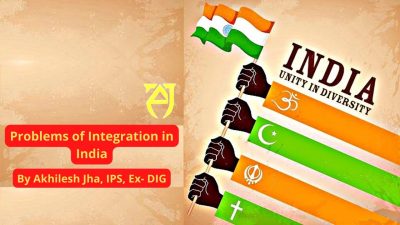
Cultural diversity enriches societies. It encompasses various languages, traditions, and beliefs. India exemplifies this diversity with its multitude of ethnic groups. Each region boasts unique customs and festivals. This variety fosters creativity and innovation. It also promotes tolerance and understanding among communities. Celebrating cultural diversity strengthens national identity. It encourages dialogue and collaboration. Ultimately, it enhances social cohesion and harmony.
The recent Pahalgam attack, victims were asked to recite the Kalma to prove their Muslim identity. This incident echoes similar past events, such as the 2014 bus attack...
Tensions have escalated in Manipur as Kuki organisations protest against the annual Meitei pilgrimage to Thangjing hill. This site is sacred to both communities. The protests are led...
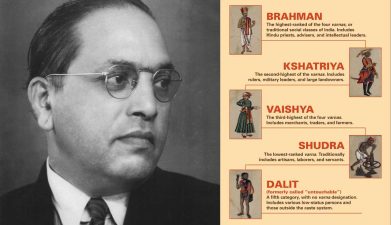
Dr Bhimrao Ramji Ambedkar, a prominent leader and legal expert, is celebrated for his relentless fight against the caste system in India. His vision extended beyond mere political...
International Roma Day is observed annually on April 8. This day commemorates the First Romani Congress held in 1971. It aims to raise awareness about the Romani people...
A groundbreaking all-women circumnavigation sailing expedition named Samudra Pradakshina was launched from Mumbai. This initiative involves a 12-member crew composed of personnel from the Indian Army, Navy, and...
Sri Lanka's population has reached 21,763,170, as reported in the 2024 census released on April 7, 2025. This figure shows an increase of 1,403,731 since the last census...
India is home to a multitude of languages. Each state boasts its own official language. This diversity enriches culture but complicates communication. Dialects further fragment these languages. The...
Recent violent clashes erupted in Churachandpur, involving the Zomi community and the Hmar and Kuki communities. All three groups are part of the larger ethnolinguistic Zo umbrella. This...
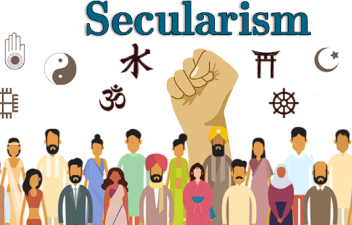
India is constitutionally defined as a secular state. Secularism implies that the state does not favour any religion. The preamble of the Constitution of India guarantees freedom of...
Indian secularism is often defined as the separation of religion from the State. It aims to ensure that all religions receive equal treatment and respect. The Constitution of...