Cultural diversity enriches societies. It encompasses various languages, traditions, and beliefs. India exemplifies this diversity with its multitude of ethnic groups. Each region boasts unique customs and festivals. This variety fosters creativity and innovation. It also promotes tolerance and understanding among communities. Celebrating cultural diversity strengthens national identity. It encourages dialogue and collaboration. Ultimately, it enhances social cohesion and harmony.
In December 2024, Gukesh D made history by becoming the youngest World Chess Champion at the age of 18. This achievement marks milestone in chess history, as Gukesh...
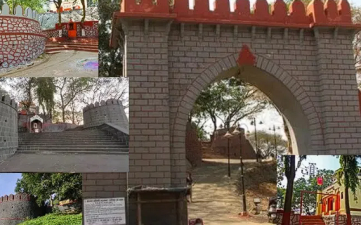
The Durgadi Fort, located in Kalyan, Maharashtra, has been a focal point of communal tensions for decades. The fort's historical significance dates back to the 16th century. It...
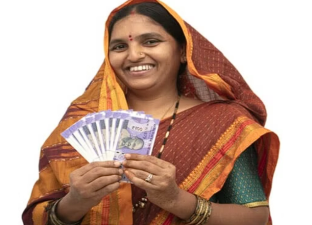
India has witnessed a notable increase in female Labour Force Participation Rate (LFPR) since 2017. Recent research marks the impact of age, marriage, and children on women's workforce...
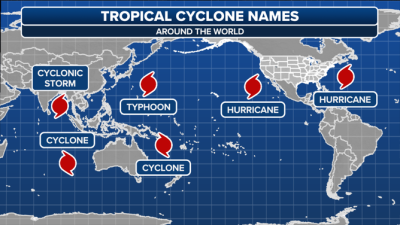
Cyclones are powerful natural phenomena that can cause destruction. To manage and mitigate their impact, naming cyclones is essential. The World Meteorological Organisation (WMO) oversees this process globally....
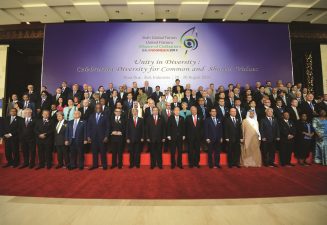
The UN Alliance of Civilizations was established in 2005 by then Secretary-General Kofi Annan. Its aim is to encourage cultural diversity and mutual respect among different societies. This...
Canada has long been a preferred destination for international students. The country boasts some of the world's top universities. Institutions like the University of Toronto and the University...
National integration is the process of uniting diverse communities within a country. It encourages unity and belonging among individuals from various backgrounds. The aim is to promote harmony,...
A linguistic minority is a group whose mother tongue differs from the majority in a specific region. These groups often face challenges in preserving their language and culture....