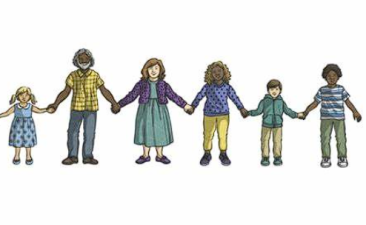
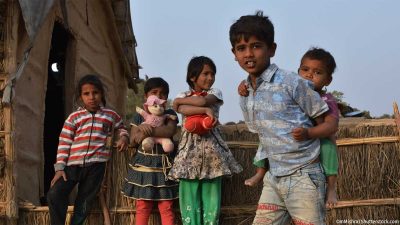
Cultural identity shapes how individuals perceive themselves. It encompasses traditions, languages, and beliefs. In India, diverse cultures coexist, reflecting a rich tapestry of history. Festivals, art forms, and cuisine highlight this diversity. The Constitution protects cultural rights, promoting inclusivity. Understanding cultural identity fosters respect and unity. It influences social interactions and community bonds. Ultimately, it enriches the nation's heritage and collective consciousness.
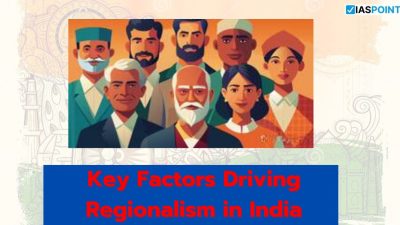
Cultural Identity Cultural identity plays role in encouraging regionalism in India. The country is home to 22 officially recognised languages, each promoting a unique sense of identity. Numerous...
Definition of Cultural and Linguistic Diversity Cultural diversity refers to the variety of cultural expressions and practices within a society. Linguistic diversity denotes the presence of multiple languages...
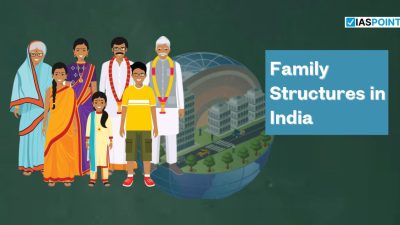
Overview of Family Structures Family structures in India are diverse and multifaceted. They vary across different regions, cultures, and communities. Traditional family structures include nuclear families, extended families,...
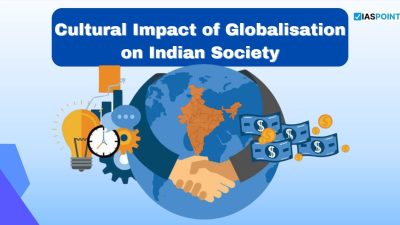
Definition of Globalisation Globalisation refers to the process of increased interconnectedness and interdependence among countries. This phenomenon primarily manifests in economic, cultural, and political dimensions. It involves the...
Cultural pluralism in Indian society embodies the coexistence of diverse cultural groups, each preserving its unique identity while contributing to the broader social tapestry. This intricate fabric of...
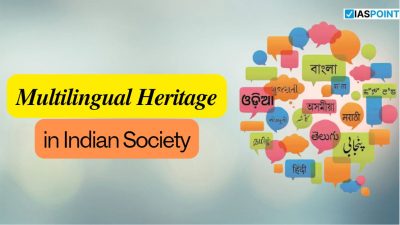
India's multilingual heritage is a defining characteristic of its society, showcasing a vast array of languages that reflect the country's rich cultural diversity. With over 1,600 languages spoken...
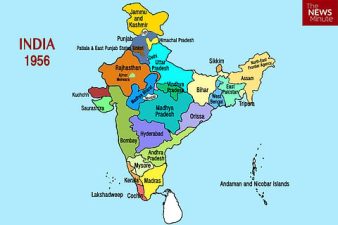
The Reorganisation of States in India was reform post-independence. The States Reorganisation Act of 1956 aimed to reorganise state boundaries based on linguistic and cultural lines. This act...
Globalisation refers to the process of increased interconnectedness among countries. It encompasses economic, political, and cultural dimensions. The term implies a shift towards a more integrated global economy,...
Kinship refers to the network of social relationships among individuals. It is a fundamental concept in sociology. Kinship includes relationships formed through blood, marriage, or adoption. This interconnectedness...
The caste system in India is a social hierarchy based on birth. It categorises individuals into different groups known as castes. This system has historical roots and continues...