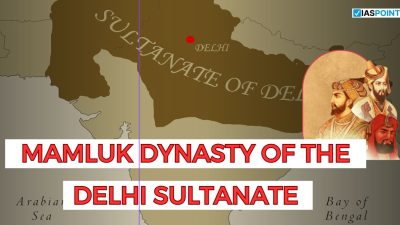
The Delhi Sultanate was a series of Muslim dynasties that ruled parts of India from the 13th to the 16th centuries. It established Islam as a prominent religion in the region. The Sultanate contributed to the cultural and architectural landscape of India. Notable structures, such as the Qutub Minar, emerged during this period. It laid the foundation for later Mughal rule.
The Mamluk Dynasty, also known as the Slave Dynasty, ruled the Delhi Sultanate from 1206 to 1290 CE. This period marked the establishment of Muslim rule in Northern...
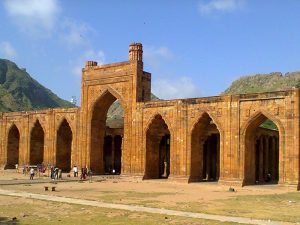
Ajmer’s Adhai Din Ka Jhonpra is a remarkable historical site. It showcases the complex interplay of cultures during the 12th century. The mosque, built by Qutbuddin Aibak, stands...
During the early medieval transition (600–1200 CE), the temple evolved from a mere place of worship into the central institution of the rural economy. This transformation was driven...
The early medieval period in India saw the rise of a powerful class of landed intermediaries—often termed as Samantas, Ranakas, or Bhogikas—who acted as a critical buffer between...