Demographics refer to the statistical characteristics of a population. This includes age, gender, income, and education levels. Understanding demographics helps in planning and policy-making. It reveals trends and patterns within society. In India, demographics play a crucial role in shaping economic strategies. They influence cultural dynamics and social structures. Accurate demographic data is essential for effective governance and development initiatives.
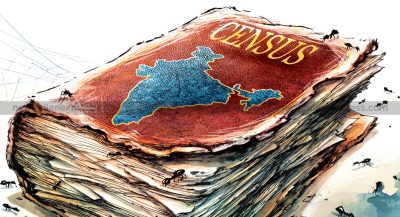
The census is a systematic process of collecting, analysing, and interpreting demographic data. In India, its history dates back to the early 19th century. The census has evolved...
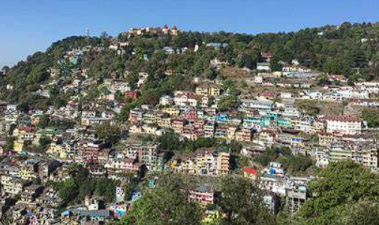
Urbanisation in India - A Historical Perspective Urbanisation in India has ancient roots, dating back over 5,500 years. Key historical milestones include: Indus Valley Civilisation: Cities like Mohenjodaro...
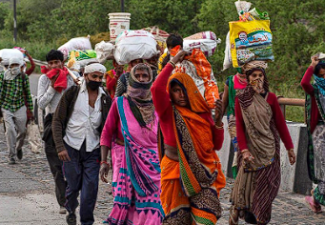
Migration refers to the movement of people from one place to another. It is often driven by the search for better opportunities. Individuals migrate for various reasons, including...
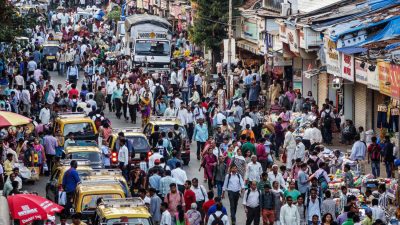
India is the second most populous country in the world, with a population of approximately 1.4 billion. It occupies only 2.4% of the world’s land area but houses...
Sex composition refers to the distribution of males and females in a population. It is a fundamental demographic characteristic. Changes in this composition reflect socio-economic and cultural patterns....
Russia stands at a decisive demographic crossroads, as brought into light by the ongoing 16th BRICS summit in Kazan. This city, often referred to as Russia's third capital,...