The Directive Principles of State Policy are guidelines for the State in India. They aim to promote social and economic justice. These principles are enshrined in the Constitution. They are not legally enforceable but serve as a framework for governance. The principles encourage the State to ensure welfare for all citizens. They reflect the aspirations of a just society.
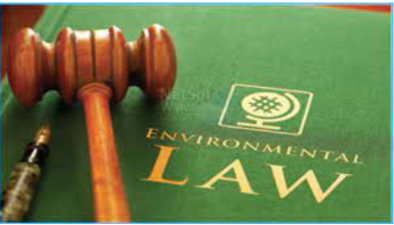
Environmental law and regulations play a pivotal role in safeguarding our planet's ecosystems and natural resources. This legal framework is designed to mitigate the impact of human activities...
The Ministry of Agriculture & Farmers’ Welfare has recently unveiled a Scheme on Internship Programme (SIP) known as Sahakar Mitra. This initiative, spearheaded by the National Cooperative Development...
The International Day of Persons with Disabilities, celebrated worldwide each year on December 3rd, came into prominence in the news once again in 2019. The United Nations General...
The Chhattisgarh Cabinet has recently approved modifications to the State Panchayati Raj Act, 1993, rendering it compulsory for a person with disabilities to participate in all state panchayats....
Petroleum and liquid hydrocarbons are critical drivers of India’s economic growth, constituting the second-largest component of its commercial energy consumption after coal. India relies heavily on crude oil...
The occurrence of gold and precious minerals in India is intimately linked with the country's ancient crystalline basement rocks. Gold deposits are predominantly confined to the Archaean greenstone...
The official assessment of forest resources in India is conducted biennially by the Forest Survey of India (FSI), an organization under the Ministry of Environment, Forest and Climate...