Disaster management involves preparing for, responding to, and recovering from emergencies. It includes planning, training, and resource allocation. Effective communication is crucial during crises. Governments and organisations collaborate to minimise risks. Community involvement enhances resilience. Legal frameworks guide disaster response efforts. Cultural factors influence recovery strategies. Understanding geography aids in risk assessment. Overall, disaster management aims to protect lives and property.
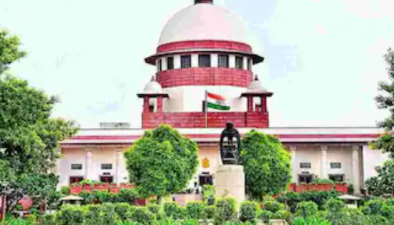
The Supreme Court of India ruled in May 2025 that post-facto or retrospective environmental clearances (EC) are illegal. This means projects built without prior approval cannot be legalised...
Recent studies show a growing threat from invasive alien species in India. These non-native plants, animals, and insects disrupt ecosystems and harm native biodiversity. Conservationists face urgent challenges...
India’s wildlife conservation efforts have seen remarkable progress in recent years. Forest cover and protected areas have expanded steadily. Iconic species like tigers, lions, and snow leopards have...
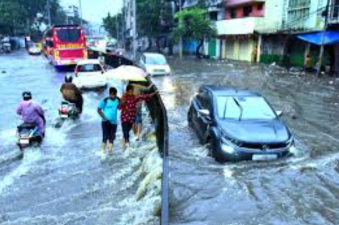
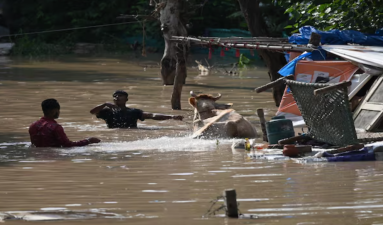
Recent floods during the 2025 monsoon in Hyderabad caused severe disruption. Localised flooding marooned residents, damaged infrastructure, and cut power supplies for days. This event puts stress on...
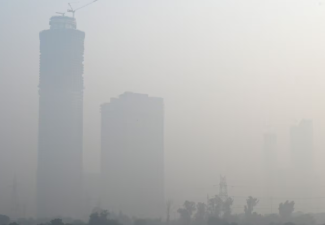
As Delhi faces its annual winter surge in air pollution, the Decision Support System (DSS) for Air Quality Management has been reactivated. Developed by the Indian Institute of...
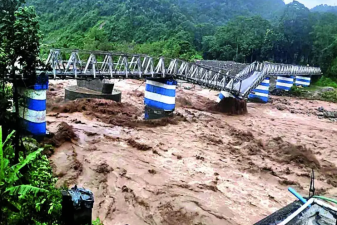
The Darjeeling hills, often called the Queen of Hills, experienced severe destruction in October 2025 due to unprecedented heavy rainfall. The rain exceeded official warnings and caused deadly...
The Coral Triangle remains the world’s richest marine ecosystem. Spanning 5.7 million sq km across Indonesia, Malaysia, Papua New Guinea, the Philippines, Solomon Islands, and Timor-Leste, it hosts...
India faces diverse natural hazards requiring a multi-faceted disaster risk reduction (DRR) approach. The Home Ministry (MHA) and National Disaster Management Authority (NDMA) lead efforts from prevention to...
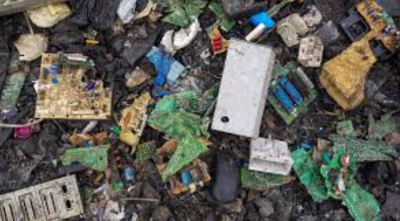
India’s rapid digital growth has created a huge surge in electronic waste (e-waste). Recently, the country generated 2.2 million tonnes of e-waste, making it the third-largest producer worldwide....
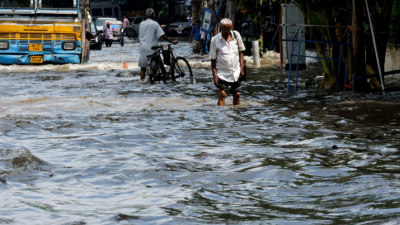
Recent heavy rainfall in Kolkata brought the city to a halt. A single night saw 251 mm of rain, the highest since 1986. Streets flooded, public transport stopped,...