Disaster management involves preparing for, responding to, and recovering from emergencies. It includes planning, training, and resource allocation. Effective communication is crucial during crises. Governments and organisations collaborate to minimise risks. Community involvement enhances resilience. Legal frameworks guide disaster response efforts. Cultural factors influence recovery strategies. Understanding geography aids in risk assessment. Overall, disaster management aims to protect lives and property.
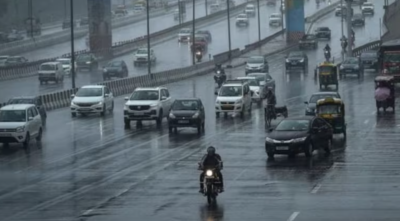
Delhi is set to conduct its first cloud seeding flights between 30 August and 10 September 2025. This initiative aims to reduce the city’s persistent air pollution by...
Recent research reveals alarming levels of mercury and arsenic in fish from Ghana’s Keta Lagoon. This contamination poses cancer risks, especially to children consuming local fish. The study...
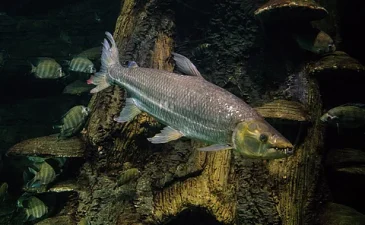
The World Wildlife Foundation (WWF) released a critical report in July 2025 revealing that 26 per cent of Africa’s freshwater fish species face extinction. The continent’s over 3,200...
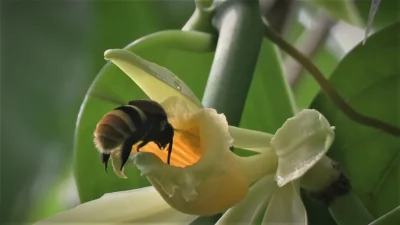
Recent studies reveal that climate change may disrupt up to 90 per cent of natural pollination between wild vanilla species and their insect partners by 2050. This disruption...
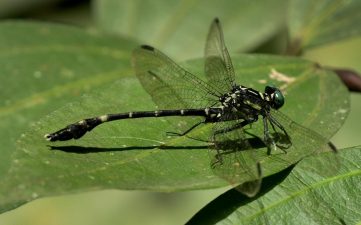
Recent research in the Western Ghats has led to the discovery of a new dragonfly species named "Lyriothemis abrahami". This species was previously mistaken for "Lyriothemis flava" due...
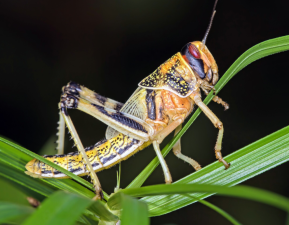
Recent locust swarms, especially the 2019-2020 East Africa outbreak, caused severe crop destruction across multiple countries. Traditional pesticide use harms the environment and food security. New research offers...
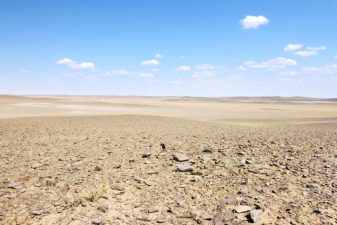
Recent studies and discussions have challenged the common perception of deserts as barren wastelands. Deserts cover nearly one-third of the Earth’s land surface and host unique plants, animals,...
The Ministry of Environment and Forests announced a major policy update on 14 July 2025. It exempted most thermal power plants from installing flue gas desulphurisation (FGD) units....
India is poised to achieve 70% round-the-clock (RTC) clean electricity for commercial and industrial consumers by 2030. This shift promises lower costs and greater emissions reductions compared to...
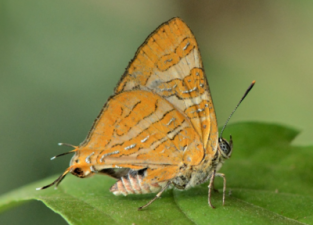
Recent research has identified a new butterfly species in the Western Ghats, a global biodiversity hotspot. Named "Zographetus mathewi", this skipper butterfly enriches the genus "Zographetus" and marks...