Disaster management involves preparing for, responding to, and recovering from emergencies. It includes planning, training, and resource allocation. Effective communication is crucial during crises. Governments and organisations collaborate to minimise risks. Community involvement enhances resilience. Legal frameworks guide disaster response efforts. Cultural factors influence recovery strategies. Understanding geography aids in risk assessment. Overall, disaster management aims to protect lives and property.
The Union Ministry of Commerce and Industry in India issued ban on several medically important antimicrobials in the aquaculture sector. This decision was made in consultation with the...
The ongoing Conferences of the Parties (COP) to the Basel, Rotterdam, and Stockholm Conventions in Geneva have sparked debate over the pesticide chlorpyrifos. Nations have agreed to eliminate...
Hyderabad recently conducted Operation Abhyaas, its largest civil defence mock drill. This event took place amidst confusion caused by misinformation about its cancellation. The Cyberabad Police confirmed the...
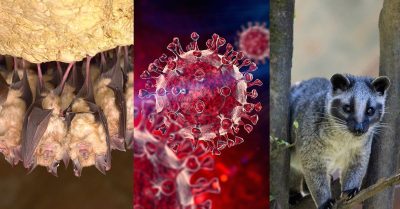
Recent research has shed light on the origins of SARS-CoV-2, the virus responsible for COVID-19. This study indicates that the virus likely reached humans through wildlife trade rather...
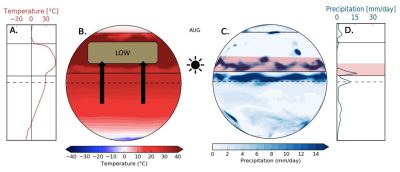
Recent research has revealed that monsoon systems, particularly in regions like India, hold a form of atmospheric memory through stored water vapour. This discovery, published in May 2025...
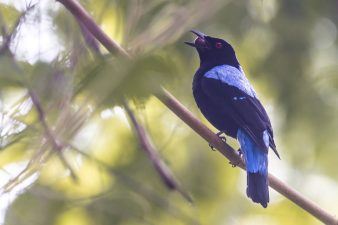
Urban environments are reshaping the natural world in unexpected ways. Recent research has revealed how urbanisation affects bird species and their colours. Traditionally, urban ecology focused on noise...
The evolution of Environmental, Social, and Governance (ESG) disclosure frameworks in India marks a very important transition towards sustainable business practices. This shift has been driven by regulatory...
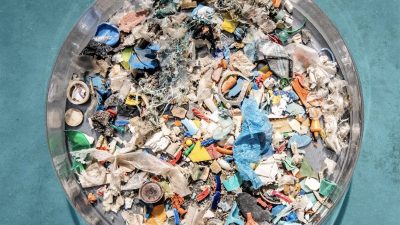
Plastic pollution has emerged as threat to marine wildlife, particularly seabirds. Recent research marks that ingesting plastic not only causes physical harm but also disrupts hormonal functions in...
A team of Chinese scientists revealed a unique approach to studying wildlife decline. They utilised classical Chinese poetry to trace the historical presence of the Yangtze finless porpoise....
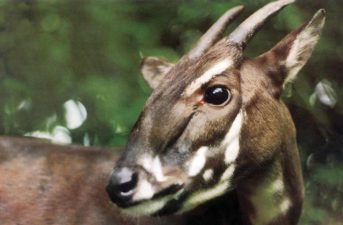
The saola, known scientifically as Pseudoryx nghetinhensis, is recognised as the rarest large land mammal globally. Recent advancements in genomic research have provided vital information about this elusive...