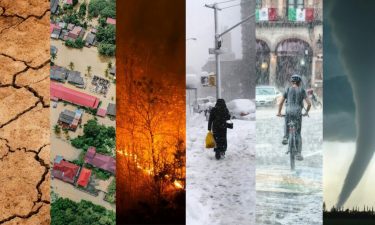
Disaster management involves preparing for, responding to, and recovering from emergencies. It includes planning, training, and resource allocation. Effective communication is crucial during crises. Governments and organisations collaborate to minimise risks. Community involvement enhances resilience. Legal frameworks guide disaster response efforts. Cultural factors influence recovery strategies. Understanding geography aids in risk assessment. Overall, disaster management aims to protect lives and property.
The Antarctic midge, scientifically known as Belgica antarctica, is the only insect native to Antarctica. It has adapted remarkably to the continent's harsh climate. Recent research has shed...
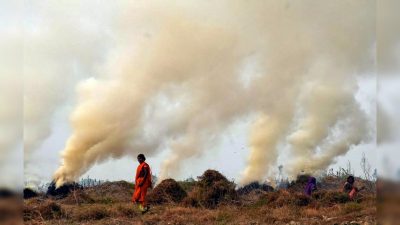
Recent research has revealed vital information about the relationship between stubble burning in Punjab and Haryana and air quality in the Delhi-NCR region. A study published in January...
Loggerhead turtles are remarkable creatures known for their extensive migrations across the oceans. Recent research has revealed their ability to learn and remember the magnetic signatures of specific...
The European Union (EU) and India’s Ministry of Textiles have initiated seven projects aimed at revitalising the textile and handicraft sector in India. Announced during the Bharat Tex...
In recent years, Colorado's forests have shifted from being carbon sinks to becoming net carbon emitters. A report by the Colorado State Forest Service marks the alarming transformation...
India has been impacted by extreme weather events over the past three decades. The 2025 Climate Risk Index (CRI) marks this vulnerability. From 1993 to 2022, India faced...
In 2024, the Florida Museum of Natural History's International Shark Attack File reported decline in unprovoked shark attacks worldwide. With only 47 incidents recorded, this marks a decrease...
The Early Warnings for All (EW4All) initiative was launched by the United Nations in 2022. Its goal is to provide protection from hazardous weather and climate events through...
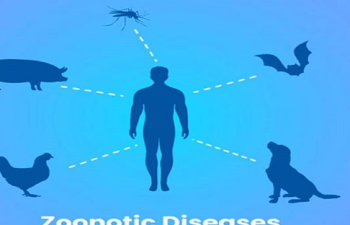
Recent studies indicate risk of zoonotic diseases affecting nearly 3.5 billion people globally. These diseases arise from pathogens that transfer from animals to humans. The Yale School of...
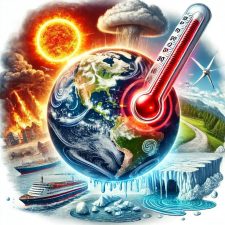
In 2024, the average global temperature anomaly exceeded the critical threshold of 1.5 degree Celsius. This marked point in ongoing climate change trends. Data from the World Meteorological...