Disease surveillance is the systematic collection of health data. It helps identify outbreaks and monitor disease trends. This process is crucial for public health responses. Effective surveillance can prevent the spread of diseases. It informs policymakers and healthcare providers. Timely information aids in resource allocation. Surveillance systems can vary by region. They often rely on technology and community reporting.
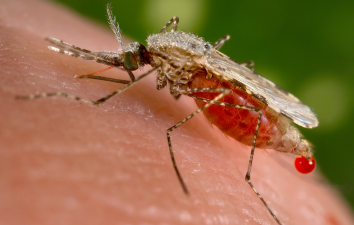
India’s sharp decline in malaria cases over the past decade represents one of the most significant public health achievements in recent times. With a growing number of districts...
Recent developments regarding the H5N1 avian influenza virus have raised important public health concerns. A teenager in British Columbia, Canada, was hospitalised on November 9 after being diagnosed...