The election process is crucial in a democratic society. It involves several stages, including voter registration, campaigning, and voting. Citizens exercise their right to choose representatives. In India, the Election Commission oversees the process. It ensures free and fair elections. Various laws govern electoral conduct. The process reflects the will of the people and upholds democratic values. It shapes the nation's future.
Election laws in India regulate the electoral process. They ensure free and fair elections. Key laws include the Representation of the People Act, 1950, the Representation of the...
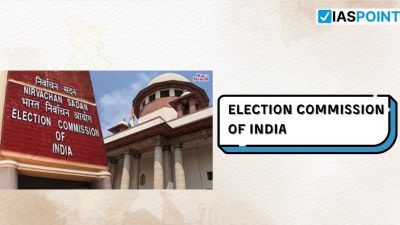
The Election Commission of India (ECI) is an autonomous constitutional authority. It oversees elections in India at both the Union and State levels. Established on 25 January 1950,...
The Vice President of India is the second-highest constitutional office in the country, following the President. The Vice President serves as the ex-officio Chairman of the Rajya Sabha,...