Fire ecology studies the role of fire in ecosystems. It examines how fire affects plant and animal life. Fire can rejuvenate landscapes and promote biodiversity. Certain species depend on fire for regeneration. Human activities influence fire regimes. Understanding fire ecology helps in managing wildfires. It also aids in conservation efforts. This field is crucial for maintaining ecological balance.
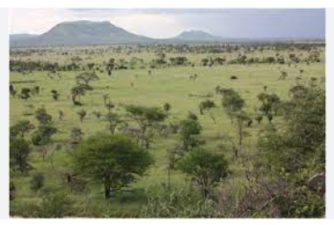
Savannas and grasslands are dynamic ecosystems that cover vast expanses of the Earth's surface, playing a crucial role in biodiversity, climate regulation, and supporting various ecosystems. Savannas and...
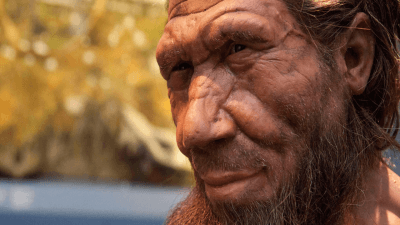
Neanderthals were our closest extinct human relatives. They were known for their distinctive skull features such as a large middle part of the face, angled cheekbones, and a...
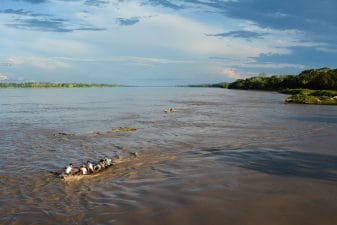
The fresh water environment is characterized by its low concentration of salt and mineral ions. The fresh water ecosystem consists of lakes, ponds, streams and rivers. Fresh water...
Palmyra tree (Borassus flabellifer) is the state tree of Tamil Nadu. It is of economic importance for the state, as no part of the tree goes waste. When...
In Brazil, the Amazon Forests have been subject to 74,155 fires since January 2019, as confirmed by the country's National Institute for Space Research (INPE). This figure indicates...