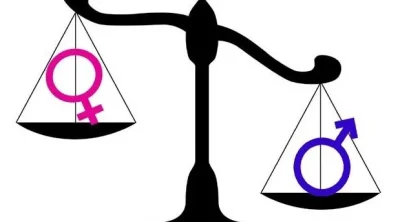
Gender inequality refers to the unequal treatment and perceptions of individuals based on their gender. It manifests in various sectors, including education, employment, and healthcare. In India, cultural norms often exacerbate these disparities. Legal frameworks exist to promote equality, yet challenges remain. Efforts continue to address these issues through policy reforms and social movements, aiming for a more equitable society.
Women’s labour has long sustained households, economies and societies, yet much of it remains invisible in economic thinking and public policy. From agricultural fields to domestic spaces and...
Economic Factors Poverty in India is influenced by economic factors. High levels of unemployment contribute to reduced income and increased poverty rates. Low income levels, characterised by insufficient...
The feminization of poverty refers to the increasing disparity in poverty levels between women and men. It marks the growing number of women, particularly those heading households, who...
The COVID-19 pandemic has had a deep impact on women globally. The crisis has exacerbated existing inequalities, particularly in economic opportunities, health care access, and safety. Women have...
Gender inequality in India is a multifaceted issue. It manifests in various forms across different sectors and social classes. Despite progress, women face challenges. Gender equality is essential...