The government structure defines how power is organised and exercised. It includes various branches, such as the executive, legislative, and judiciary. Each branch has distinct responsibilities and functions. In India, this structure is outlined in the Constitution. It ensures a system of checks and balances. This framework supports democracy and upholds the rule of law, fostering accountability and governance.
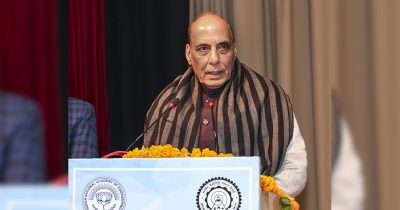
The Armed Forces Flag Day (AFFD) Corporate Social Responsibility (CSR) Conclave is set to take place on December 27, 2024, in New Delhi. Chaired by Defence Minister Rajnath...
The President of India, under Article 76, appoints the Attorney General to advise Government of India on legal matters referred by the President; and represent Government in the...
The Union Council of Ministers (CoM) is the executive body of the Union Government of India. It plays important role in shaping national policy and implementing laws. The...
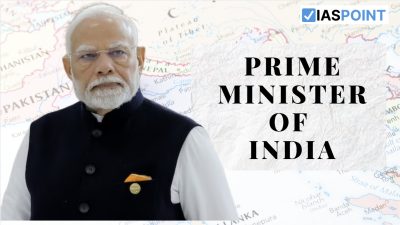
The Prime Minister of India is the real head of the government and the leader of the Council of Ministers. The position of the Prime Minister is central...