GS-III refers to the General Studies Paper III in the Civil Services Examination. It covers topics such as Indian economy, agriculture, and environment. This paper assesses candidates' understanding of various socio-economic issues. It also includes disaster management and security challenges. Mastery of GS-III is essential for effective governance. Candidates must stay updated on current affairs and policies related to these subjects.
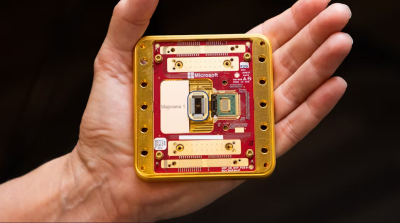
Recent advances in quantum computing have focused on the use of Majorana particles to solve critical challenges in qubit stability. These particles, theorised in the 1930s by Ettore...
India’s employment landscape has seen changes between 2017-18 and 2023-24. The availability of annual labour data through the Periodic Labour Force Survey (PLFS) has enabled detailed analysis. The...
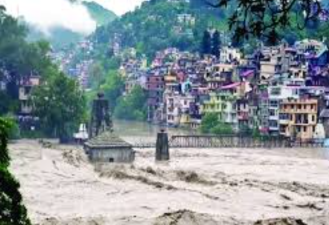
Recent devastating floods, landslides, and cloudbursts in Himachal Pradesh, Punjab, Uttarakhand, and Jammu and Kashmir have exposed critical gaps in India’s disaster management system. Despite recurring losses, relief...
Recent research has clarified why some rivers flow as a single channel while others split into multiple threads. This distinction is crucial for managing flood risks, ecosystems, and...
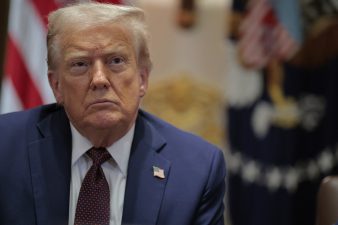
The US government is increasingly moving from traditional free-market capitalism to a model that involves direct state participation in key industries. Recent actions like acquiring a 10 per...
The Pradhan Mantri Jan Dhan Yojana (PMJDY) remains a landmark initiative in India’s financial inclusion journey as of 2025. It has revolutionised access to banking for millions, particularly...
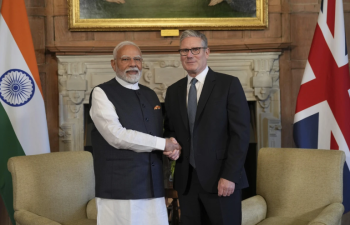
India’s recent free trade agreement (FTA) with the U.K. promises enhanced market access. However, the introduction of the U.K.’s Carbon Border Adjustment Mechanism (UK-CBAM) from January 2027 poses...
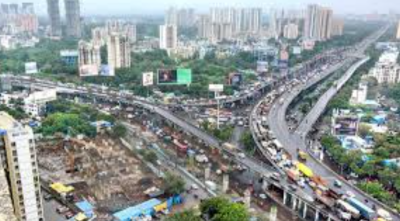
India faces a severe road safety crisis. In 2023, over 4.8 lakh road accidents caused more than 1.72 lakh deaths. That is 20 deaths every hour. Most victims...
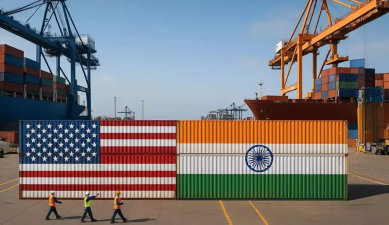
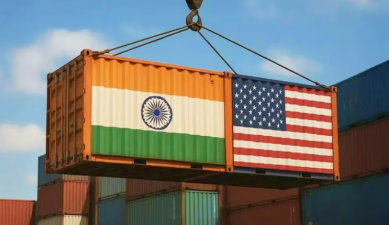
India’s economy in 2025 faces challenges from US-imposed double tariffs. However, the affected exports are under 1 per cent of GDP. This is due to the low share...