GS-III refers to the General Studies Paper III in the Civil Services Examination. It covers topics such as Indian economy, agriculture, and environment. This paper assesses candidates' understanding of various socio-economic issues. It also includes disaster management and security challenges. Mastery of GS-III is essential for effective governance. Candidates must stay updated on current affairs and policies related to these subjects.
The Government of India introduced The Promotion and Regulation of Online Gaming Bill, 2025, marking shift in its approach to the online gaming sector. Passed swiftly in the...
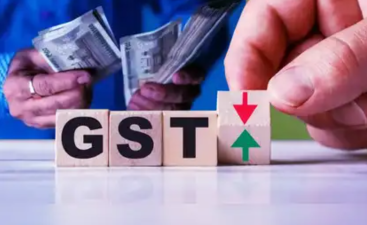
Recent proposals by the Government of India aim to simplify the Goods and Services Tax (GST) structure. The current four-tier system of 5, 12, 18, and 28 per...
India is home to over 100,000 paddy accessions. Yet, as of June 2025, only 31 rice varieties hold Geographical Indications (GI) tags. These include the famous Basmati and...
India’s recent claim of creating 17 crore jobs over the past decade marks milestone. However, the challenge ahead is deeper. India aims to become a $36 trillion economy...
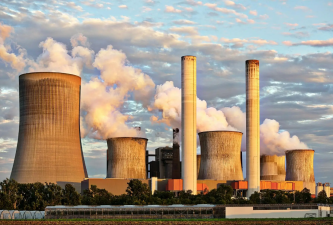
India is set to revisit key laws on nuclear liability and atomic energy. The government plans to amend the Civil Liability for Nuclear Damages Act, 2010, and the...
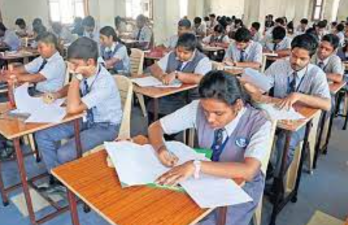
The Indian education system is undergoing a major transformation driven by the National Education Policy (NEP) 2020. This policy aims to align education with the country’s economic and...
India’s Goods and Services Tax (GST) is undergoing its most reform since 2017. Announced by Prime Minister Narendra Modi as a Diwali gift, the plan aims to simplify...
Preventive healthcare has gained renewed attention in India amid rising non-communicable diseases and escalating medical costs. Despite spending about 2% of GDP on health, India largely focuses on...
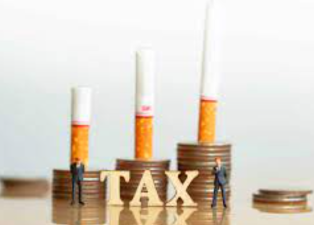
The Goods and Services Tax (GST) in India marks eight years of implementation in 2025. It remains a landmark reform enhancing tax transparency and compliance. However, the taxation...
India is rapidly advancing in the semiconductor sector in 2025. The country aims to become self-reliant by developing indigenous chip technologies. This effort supports multiple industries such as...