Historical analysis involves examining past events to understand their significance. It seeks to uncover patterns and causes behind historical developments. This method uses various sources, including documents and artefacts. Historians interpret data to draw conclusions. They also consider the context of events. This approach helps to illuminate cultural, social, and political dynamics over time. It enriches our understanding of history's impact on the present.
A memorial plaque honouring Biju Patnaik was inaugurated at the Russian Embassy in New Delhi. This event recognised Patnaik’s contributions during the Battle of Stalingrad in World War...
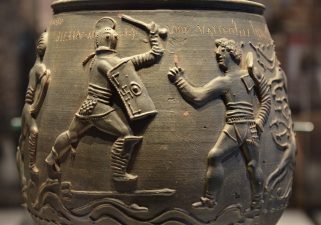
Recent archaeological findings in York, England, have revealed what researchers claim to be the first physical evidence of combat between gladiators and large cats, likely lions, during the...
The Lapu-Lapu Festival, celebrated annually in Vancouver, honours the Filipino community's heritage. This year, on April 26, 2025, tragedy struck when a car ploughed through the crowd, resulting...
World Malaria Day, observed on April 25, marks the ongoing battle against malaria. The disease has shaped human history deeply, influencing migration patterns and colonial ambitions. The mosquito...
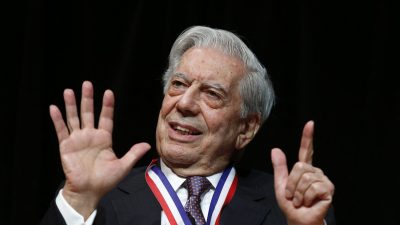
Mario Vargas Llosa was a very important figure in Latin American literature. He was part of the Latin American Boom, a literary movement that included renowned authors like...
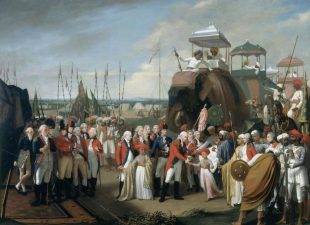
British India was a period of transformation in governance. The British established a colonial rule that aimed to manage and control the vast subcontinent. This era saw the...
The Mughal Empire, once a dominant power in India, faced a gradual decline from the early 18th century. This decline resulted from a combination of political, economic, social,...
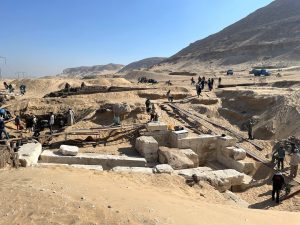
Archaeologists announced the discovery of a large limestone burial chamber belonging to an unidentified ancient Egyptian pharaoh near Abydos. This site, in Egypt's history, dates back approximately 3,600...
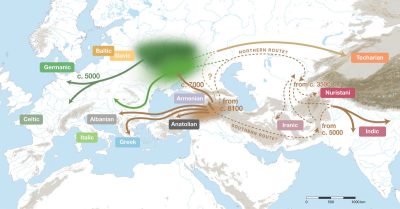
Recent studies have revealed the origins of the Indo-European language family. Conducted by researchers from Harvard Medical School and supported by the US National Institutes of Health, these...
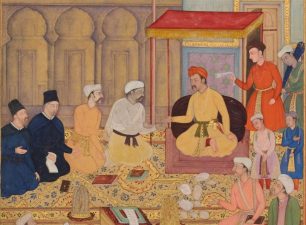
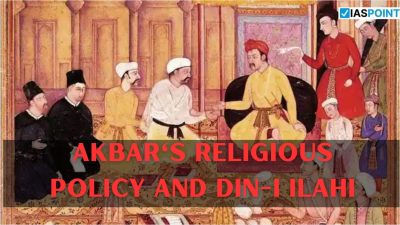
Akbar the Great ruled the Mughal Empire from 1556 to 1605. His reign is notable for its progressive policies, particularly in religion. Akbar aimed to unify his diverse...