Historical figures are individuals who have significantly influenced the course of history. They can be leaders, thinkers, artists, or activists. Their actions and ideas shape societies and cultures. In British history, figures like Winston Churchill and Florence Nightingale stand out. Each has left a lasting legacy. Their contributions continue to inspire and inform contemporary discussions in various fields.
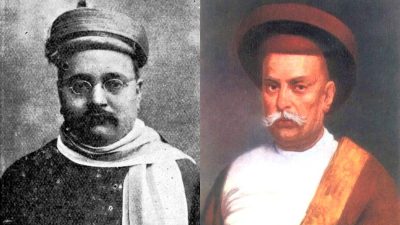
Dadabhai Naoroji and Gopal Krishna Gokhale were very important figures in the Indian independence movement. They were known for their intellectual contributions and moderate political strategies. Their advocacy...
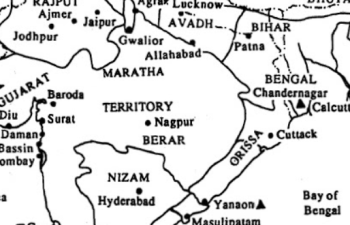
The decline of the Mughal Empire in India led to the emergence of various regional powers. This transformation occurred after the death of Emperor Aurangzeb in 1707. The...
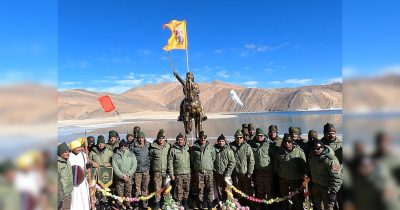
In event, the Indian Army has installed a statue of Chhatrapati Shivaji Maharaj at Pangong Lake. This location is strategically important as it lies at an altitude of...
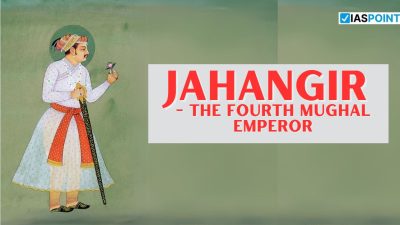
Jahangir, born Nur-ud-din Muhammad Salim, was the fourth Mughal emperor. He ruled from 1605 to 1627. He was the son of Akbar the Great and Empress Mariam-uz-Zamani. Jahangir...
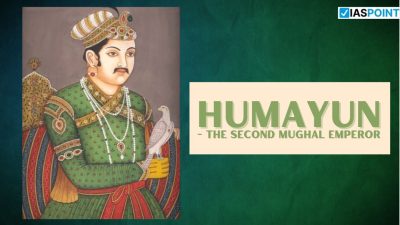
Humayun was born on March 6, 1508, in Kabul, Afghanistan. He was the eldest son of Babur, the founder of the Mughal Empire. Humayun had three brothers -...
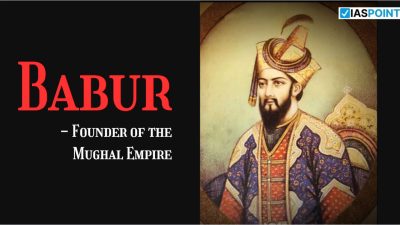
Babur, also known as Zahiruddin Muhammad Babur, was the founder of the Mughal Empire in India. He was born on 14 February 1483 in present-day Uzbekistan. Babur descended...
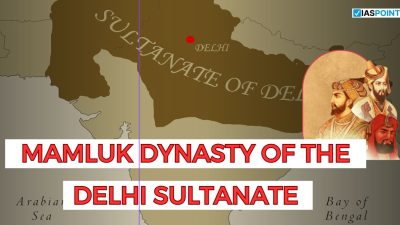
The Mamluk Dynasty, also known as the Slave Dynasty, ruled the Delhi Sultanate from 1206 to 1290 CE. This period marked the establishment of Muslim rule in Northern...
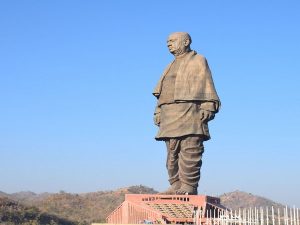
Sardar Vallabhbhai Patel, a key figure in India's independence and unification, continues to inspire the nation. Recent events have brought into light his contributions and the importance of...