The legislative process refers to the series of steps through which laws are created. It involves proposal, debate, and approval of bills. In the UK, this process occurs in Parliament. Both Houses play crucial roles. The House of Commons initiates most legislation. The House of Lords reviews and suggests amendments. Finally, the monarch gives royal assent. This process ensures democratic governance and accountability.
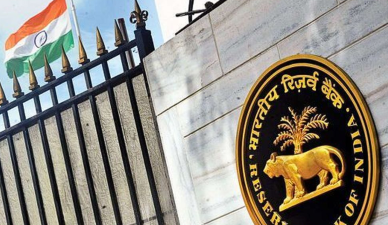
The Indian Parliament is set for legislative activity as the winter session progresses. Union Finance Minister Nirmala Sitharaman is scheduled to present the Banking Laws (Amendment) Bill, 2024....
Parliamentary committees are small groups formed by members of Parliament (MPs) to perform specific functions. They scrutinize legislation, examine policies, conduct inquiries, and oversee the functioning of government...
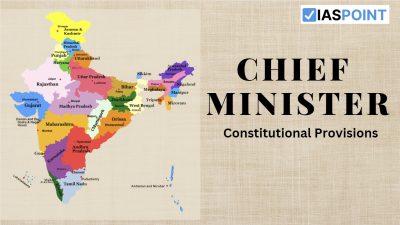
The Chief Minister (CM) is the real head of the state government in India. Unlike the Governor, who serves as the nominal executive, the CM is the real...
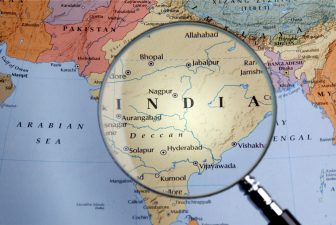
India, officially known as Bharat, is defined as a Union of States. This concept marks the indissoluble nature of the Indian federation. Unlike a federation formed by an...