Literature encompasses a wide range of written works. It includes poetry, novels, and plays. This art form reflects society and culture. It explores human experiences and emotions. Literature often critiques political and social issues. In India, it has a rich history, influenced by diverse languages and traditions. It serves as a medium for cultural expression and preservation. Literature shapes identities and fosters understanding.
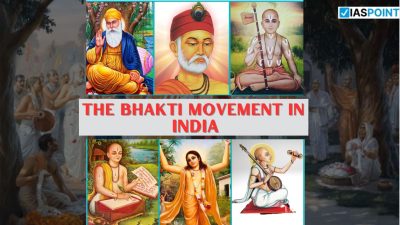
The Bhakti Movement was a spiritual, social, and literary phenomenon in India. It spanned from the 7th to the 17th centuries. The term 'bhakti' means 'devotion' in Sanskrit....
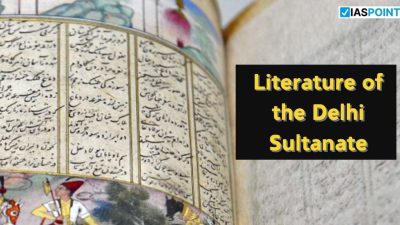
The literature of the Delhi Sultanate emerged with the rise of Persian-speaking rulers in India. Persian became the official language of the Sultanate, leading to the creation of...
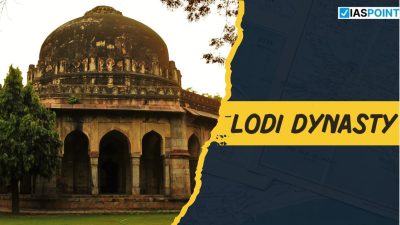
The Lodi Dynasty was the final ruling house of the Delhi Sultanate. It was established by Bahlul Lodi in 1451 AD. This dynasty was in shaping the political...
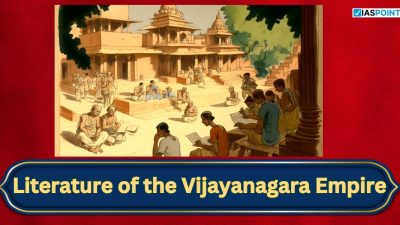
The Vijayanagara Empire was established in 1336 CE by Harihara I and Bukka Raya I of the Sangama Dynasty. It thrived in South India, particularly in present-day Karnataka...
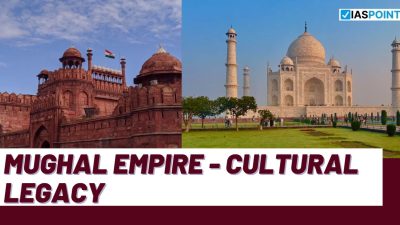
The Mughal Empire is known for its remarkable contributions to art, architecture, literature, and cultural synthesis. Architectural Achievements Mughal architecture is renowned for its grandeur and intricate designs....
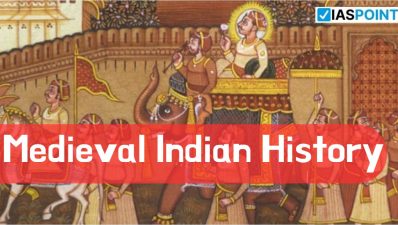
Medieval Indian history is divided into two main periods - Early Medieval (A.D. 700 to 1200) and Later Medieval (A.D. 1200 to 1700). The key sources of medieval...
The "Indian Feudalism" model, primarily popularized by historians R.S. Sharma and B.N.S. Yadava, posits that the period between 600 CE and 1200 CE marked a distinct phase in...