The Mughal Empire was a prominent historical empire in India. It ruled from the early 16th to the 19th century. The Mughals were known for their rich culture and architectural achievements. They established a centralized administration and promoted trade. The empire contributed significantly to Indian art and cuisine. Its legacy continues to influence modern India. The Mughals shaped the subcontinent's history and identity.
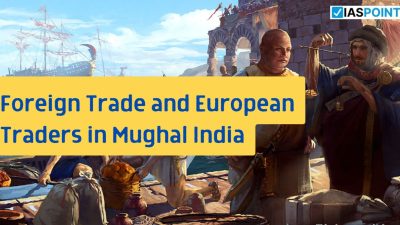
European traders arrived in India seeking wealth. The Portuguese were the first, followed by the Dutch and English. The decline of Portuguese power in the late 16th century...
The Mughal Empire was situated in a strategically location in South Asia. It faced competition from several powerful entities including the Persian Empire to the west, the Marathas...
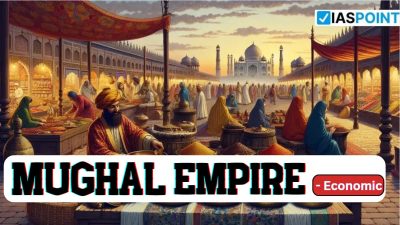
The Mughal economy was primarily agrarian. Agriculture served as the backbone of the economy. The Mughals introduced efficient administrative practices that optimised revenue collection. This period also saw...
The "peasantization of tribes" refers to the process during the early medieval period (c. 600–1200 CE) where tribal communities were gradually integrated into the sedentary agrarian economy. This...
Land grants were the foundational instrument of the early medieval transition (c. 600–1200 CE), facilitating a shift from centralized bureaucracy to a decentralized agrarian economy. Initially practiced under...
Tabaqat-i-Nasiri is a comprehensive chronicle written in Persian by Minhaj-us-Siraj Juzjani. Completed in 1260 CE, it serves as a primary source for the establishment and consolidation of the...