The term naked eye refers to the ability to see without the aid of optical instruments. It highlights the natural human capacity for observation. In astronomy, it denotes viewing celestial bodies without telescopes. This concept is significant in various fields, including art and science. It encourages appreciation of the world around us. Observing with the naked eye fosters curiosity and exploration.
Microbial ecosystems, often invisible to the naked eye, play a crucial role in maintaining the balance of life on Earth. From the depths of the ocean to the...
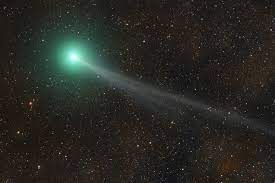
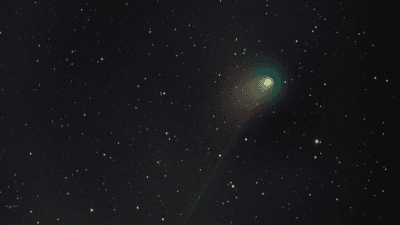
NASA has announced that Comet Nishimura, officially named C/2023 P1 Nishimura, may become visible to the naked eye this week. Discovered by amateur astronaut Hideo Nishimura in mid-August,...
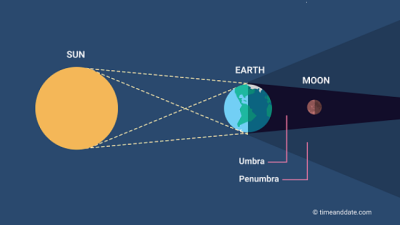
The night sky has always fascinated humanity, with its celestial wonders igniting a sense of wonder and awe. Among these captivating events is the lunar eclipse, a remarkable...
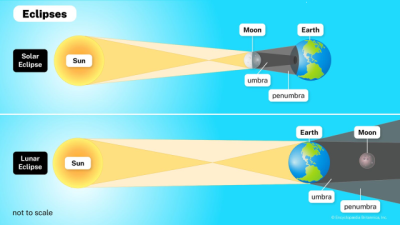
The universe never fails to astonish us with its extraordinary phenomena, and one of the most captivating celestial events is the eclipse. The word "eclipse" derives from the...
The universe is a vast expanse, filled with billions of stars scattered across its tapestry. Among these stellar entities, some shine particularly bright in our night sky as...
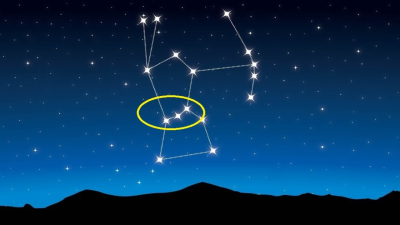
The night sky has always fascinated humanity, offering a canvas of countless celestial objects and patterns. Among these captivating configurations are asterisms, celestial formations that captivate stargazers with...
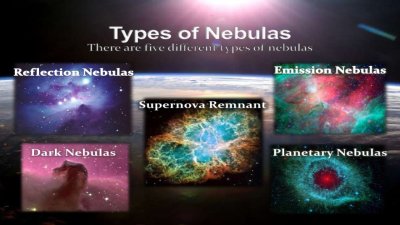
As we gaze up at the night sky, our eyes are often captivated by the celestial wonders that adorn the expanse above. Among these enchanting sights, nebulae hold...
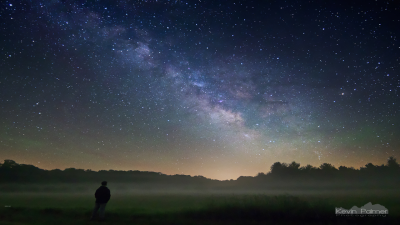
The Milky Way, a mesmerizing spiral galaxy that spans across the vast expanse of the cosmos, is not only a fascinating subject of study for astronomers but also...
A recently discovered green comet, named C/2022 E3 (ZTF), is estimated to come closest to Earth around February 2 and might be visible to the naked eye under...