Political history examines the development of political systems and institutions. It explores the rise and fall of empires. It highlights key events and figures that shaped nations. Political history also investigates ideologies and movements. It reflects on the impact of colonialism and independence. In India, it reveals the struggle for freedom and the formation of a democratic state. Understanding this history is crucial for grasping contemporary politics.
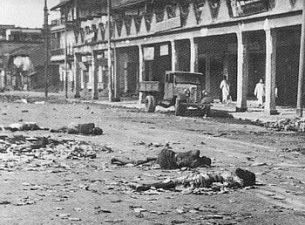
Direct Action Day occurred on 16 August 1946. It was a very important event in British India’s history. The day was marked by violent communal riots, primarily instigated...
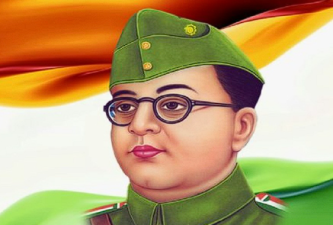
Subhash Chandra Bose was born on January 23, 1897, in Cuttack, Bengal. He came from an affluent family. His father was a successful lawyer. Bose was educated at...
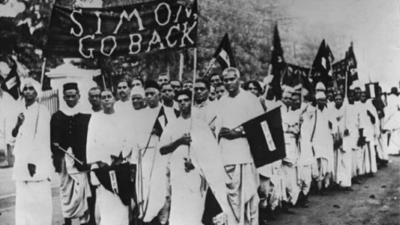
The Simon Commission and the Nehru Report were very important in India's struggle for independence. They represented responses to British colonial policies. The Simon Commission aimed to investigate...
The recent cabinet meeting of the Omar Abdullah government in Jammu and Kashmir (J&K) marks an important political moment as it unanimously adopted a resolution seeking the restoration...
The early medieval period witnessed a fundamental restructuring of rural society. The decline of centralized imperial authority and the rise of land grants transformed the village from a...
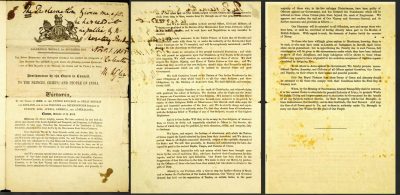
The Government of India Act 1858, formally titled "An Act for the Better Government of India," was enacted by the British Parliament on August 2, 1858. This legislation...
The early medieval period (c. 600–1200 CE) witnessed a significant transformation in the Indian social structure. The varna system, which was traditionally rigid, underwent internal differentiation, leading to...