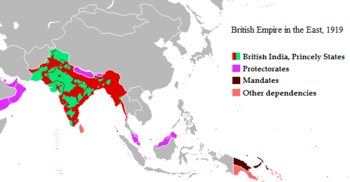
Princely States were semi-autonomous regions in India during British rule. They were ruled by local monarchs under British suzerainty. These states varied in size and power. Some were large and influential, while others were small and less significant. After independence in 1947, most princely states merged into the Indian Union. Their legacy impacts India's political and cultural landscape today.
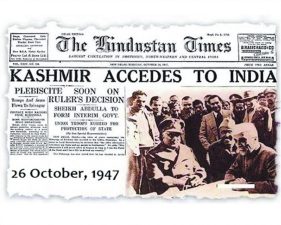
The Instrument of Accession was legal document in the history of India. It allowed princely states to join the newly formed Dominion of India or Pakistan in 1947....
Princely states were semi-autonomous regions in India during British colonial rule. They were governed by local rulers under British suzerainty. After India gained independence in 1947, the status...
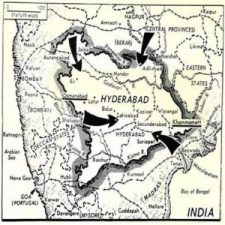
The integration of princely states into India occurred after independence in 1947. At the time, there were over 565 princely states. These states were not legally part of...
Political mobilisation in the princely states of India evolved during the early 20th century. This period was marked by a growing awareness of democratic rights and civil liberties....
Princely states were semi-autonomous regions in India during British rule. They were ruled by local monarchs under the indirect control of the British. This system emerged during the...
The Doctrine of Lapse was a policy by the British East India Company in the mid-19th century. It aimed to annex princely states without a direct male heir....
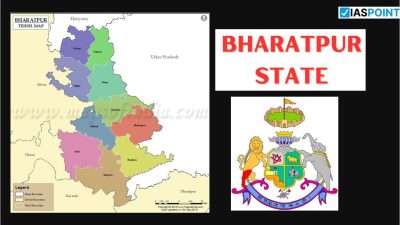
Bharatpur State was a princely state in India, ruled by the Sinsinwar clan of Hindu Jats. It existed under British suzerainty and is notable for its rich history...