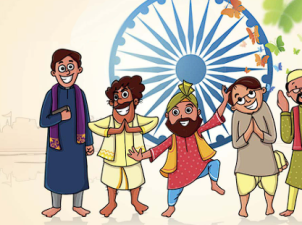
Religious freedom is a fundamental right. It allows individuals to practice their faith without interference. In India, this right is enshrined in the Constitution. It promotes tolerance and diversity. Various religions coexist peacefully. However, challenges remain. Discrimination and violence can occur. The government strives to protect this freedom. Education and awareness are essential for fostering respect among communities.
On 24 April 2026, Congressmen Tom Suozzi of New York and Max Miller of Ohio introduced the bipartisan Safeguarding Access to Congregations and Religious Establishments from Disruption, or...
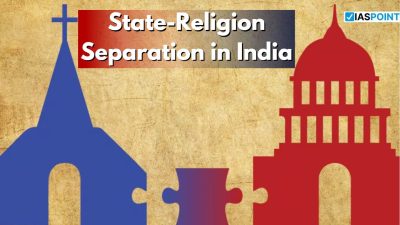
Definition of State-Religion Separation State-religion separation refers to the principle that the government must maintain an impartial stance on religious matters. It prohibits the state from favouring or...
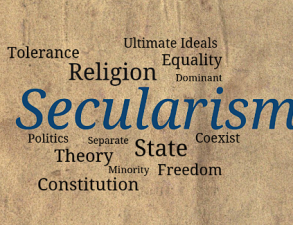
Secularism is the principle that promotes the separation of religion from state affairs. It ensures that the state does not favour any particular religion. In a secular state,...
Secularism refers to the principle of separating religion from political, social, and educational institutions. It promotes the idea that the state should remain neutral regarding religious affairs. This...
Guru Tegh Bahadur, the ninth Sikh Guru, is commemorated on November 24 as Shaheedi Divas. He was executed in 1675 under the orders of Mughal Emperor Aurangzeb. His...