Religious movements are transformative events in society. They often arise in response to social, political, or economic changes. These movements can lead to new beliefs or reform existing practices. In India, they have played a crucial role in shaping cultural identity. Key examples include Bhakti and Sufi movements. They promote inclusivity and challenge orthodoxies. Their impact is felt across various aspects of life.
The 19th century in India was marked by social and religious reform movements. This period was characterised by rigid caste structures and social decadence. British colonial rule exposed...
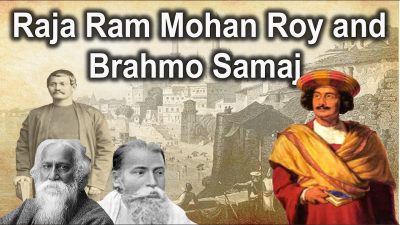
Brahmo Samaj is socio-religious reform movement founded in India in the 19th century. It aimed to reform Hinduism and promote rationalism. The movement emerged during a period of...
The Samanta system emerged as a defining structural feature of the Indian polity between 600 CE and 1200 CE. Historically, the term 'Samanta' initially referred to a neighboring...