The Reserve Bank of India (RBI) is the central banking institution of India. It regulates the country’s monetary policy. Established in 1935, it plays a crucial role in maintaining financial stability. The RBI manages currency issuance and foreign exchange. It also supervises commercial banks. Its policies impact inflation and economic growth. The RBI is vital for India’s economic framework.
A decade after India announced the licensing of Small Finance Banks (SFBs), the experiment appears, at first glance, to be a regulatory success. Unlike several earlier banking categories...
As India steps into 2026, the macroeconomic moment appears unusually favourable. The Governor of the Reserve Bank of India has described the country as a “Goldilocks” economy —...
The Indian economy continues to show resilience despite a turbulent global backdrop, but near-term risks from geopolitical tensions, trade disruptions, and volatile financial markets remain significant. This is...
The recent intervention by the Reserve Bank of India, which briefly strengthened the rupee by selling US dollars in the market, has once again drawn attention to a...
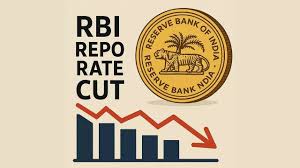
India’s recent macroeconomic picture presents an apparent paradox. Even as strong growth and subdued prices prompted the Monetary Policy Committee (MPC) to cut the repo rate by 25...
The Reserve Bank of India’s surprise policy rate cut on December 6, coming soon after official data showed GDP growth of 8.2 per cent, has sparked debate on...