Resource allocation refers to the distribution of available resources among various projects or sectors. It is crucial for economic planning and development. Effective allocation maximises efficiency and promotes growth. In India, it impacts sectors like education, healthcare, and infrastructure. Government policies play a vital role in determining how resources are shared. Proper allocation can address inequalities and enhance overall societal welfare.
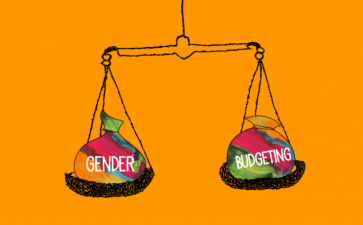
Gender Budgeting is a fiscal strategy that applies a gender lens to the entire budgetary process. It is not a separate budget for women, but an exercise to...
The Ministry of New and Renewable Energy (MNRE) hosted a very important workshop in New Delhi. The focus was on the role of Micro, Small, and Medium Enterprises...
The International Energy Agency (IEA) recently reported a notable decline in global oil demand growth for 2025. The revised estimate indicates an increase of only 730,000 barrels per...
As of 2022, nearly two billion people in low- and middle-income countries lack adequate social protection. A recent report from the World Bank marks the dire situation. It...
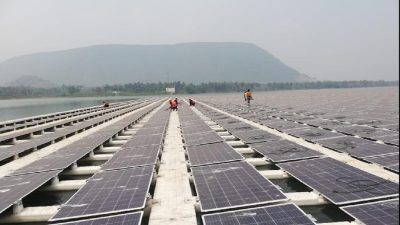
In recent years, India has made strides in its renewable energy sector. The government launched the PM-Surya Ghar - Muft Bijli Yojana in February 2024. This initiative aims...
The Reserve Bank of India (RBI) has recently implemented liquidity measures to stabilise the banking system. This comes in response to increasing pressures on the Indian rupee and...
India's economy faced slowdown in the first three quarters of 2024. Despite this, projections indicate a long-term growth rate of 6.5% over the next five years. This growth...
Finance Commission of India is a constitutional body to define financial relations between the Centre and the states. Established under Article 280 of the Constitution of India, it...