Social change refers to significant alterations in societal norms and values. It can occur gradually or rapidly. Factors such as technology, education, and economic shifts drive this change. In India, social change has influenced caste dynamics and gender roles. Movements for equality and justice have emerged. These transformations shape the nation’s identity and future. They reflect the evolving aspirations of its people.
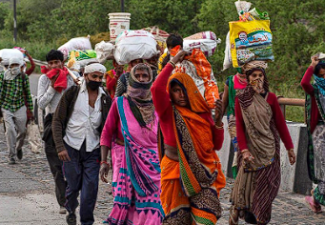
Migration refers to the movement of people from one place to another. It is often driven by the search for better opportunities. Individuals migrate for various reasons, including...
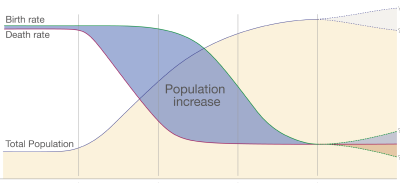
The Demographic Transition Theory (DTT) describes the shift in population dynamics from high birth and death rates to low birth and death rates. This transition occurs as societies...
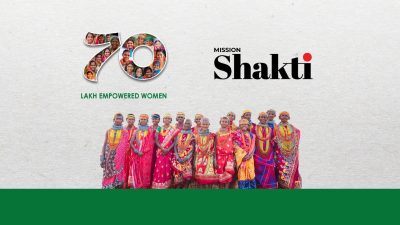
The Sambal sub-scheme is a comprehensive initiative aimed at enhancing women's safety and empowerment in India. It includes several existing schemes and introduces new components to address gender...
Today, families come in various forms. Traditional family systems persist in remote regions, while developing countries witness changes. Factors like urbanisation and Western cultural influences reshape family dynamics....
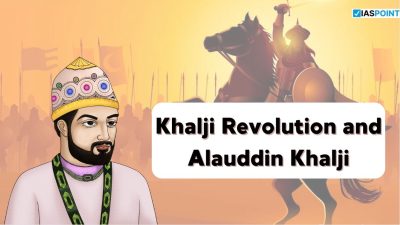
The Khalji Revolution marked shift in the Delhi Sultanate, leading to the rise of the Khalji Dynasty from 1290 to 1320. This period was characterised by a transformation...
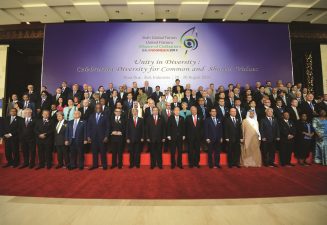
The UN Alliance of Civilizations was established in 2005 by then Secretary-General Kofi Annan. Its aim is to encourage cultural diversity and mutual respect among different societies. This...
The recent announcement by the Government of India has important implications for non-governmental organisations (NGOs). The Centre has clarified that NGOs engaged in anti-developmental activities or forced religious...