Socioeconomic disparities refer to the unequal distribution of resources and opportunities within a society. These gaps can manifest in income, education, and health. They often stem from historical injustices and systemic inequalities. In India, these disparities are influenced by caste, class, and regional factors. Addressing these issues is crucial for social cohesion and economic development. It requires targeted policies and inclusive growth strategies.
Demographics of Children in India As per the Census 2011, there are approximately 472 million children under the age of 18 in India. This group constitutes about 28%...
Demographics of the Elderly Population in India As of 2021, India has approximately 138 million elderly persons aged 60 and above. The number is projected to reach 300...
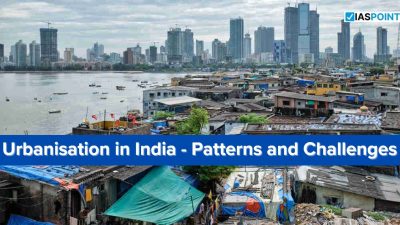
Definition of Urbanisation Urbanisation refers to the socio-economic and demographic transformation where individuals migrate from rural to urban areas. This process is characterised by a shift from agrarian...
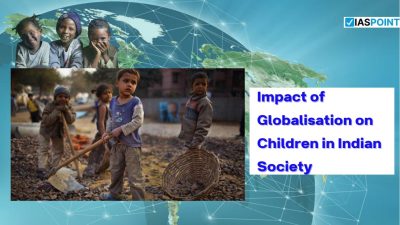
Demographic Overview India is home to approximately 440 million children aged 0-18 years, according to the 2021 Census. Children constitute about 39% of the total population in India,...
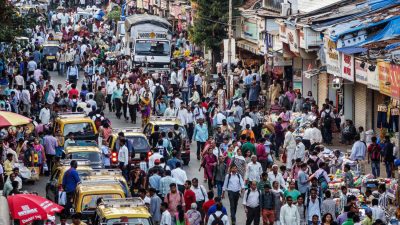
Overpopulation occurs when a region's population exceeds its ecological capacity. This situation results in insufficient resources such as food, water, and shelter. It can lead to environmental degradation...