The sugarcane region is vital for India's economy. It spans several states, including Uttar Pradesh and Maharashtra. This crop thrives in tropical climates. Sugarcane farming supports millions of farmers. It also contributes to the sugar industry. The region faces challenges like water scarcity and climate change. Sustainable practices are essential for its future. Sugarcane plays a role in Indian culture and cuisine.
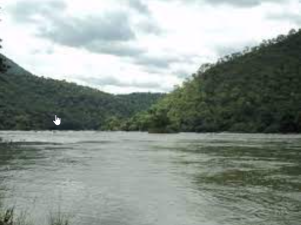
The Kaveri River, often hailed as the "Ganges of the South," is one of the major rivers in India, originating in the Western Ghats and flowing across the...
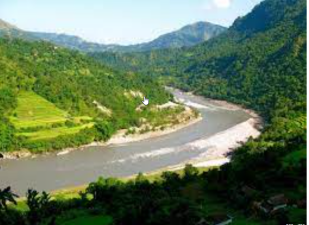
Rivers have played a pivotal role in shaping the geography and culture of a region, and the Gandak River stands as a testament to this truth. Flowing through...
India, a land of diverse landscapes and rivers, is blessed with the meandering beauty of the Son River. Flowing through the heartland of the country, the Son River...
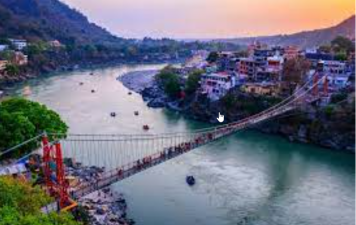
The River Ganga, often revered as the holiest river in Hinduism, holds profound cultural, ecological, and economic significance for the Indian subcontinent. Stretching over 2,500 kilometers, it flows...
The Ganges River, often referred to as the Ganga, holds a sacred place in the hearts of millions and is considered the lifeblood of the Indian subcontinent. Flowing...
India, a vast country with diverse geographical conditions, exhibits regional variations in agriculture. Agricultural regions are defined by factors such as relief, soil type, climatic conditions, farming practices,...
Agricultural production and productivity can be increased in two ways; by expanding the cropped area and by increasing the intensity of cropping. Since much of the physically suitable...