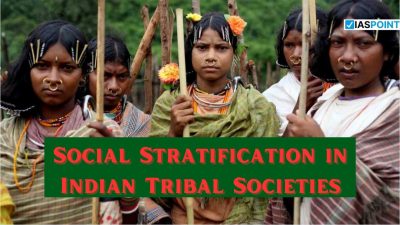
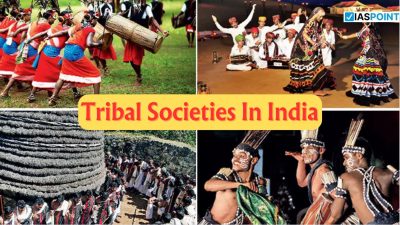
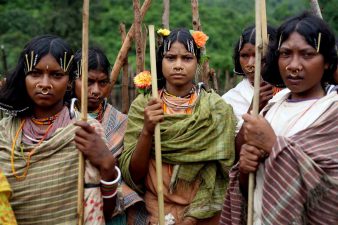
Tribal communities in India are diverse and rich in culture. They possess unique languages, traditions, and lifestyles. These groups often face challenges related to land rights and socio-economic development. Their contributions to arts and crafts are significant. Legal protections exist to safeguard their rights. Understanding their history is crucial for appreciating India's cultural mosaic. They play an important role in the nation’s heritage.
Definition and Characteristics of Tribal Societies Tribal societies are groups of people who share a common culture, language, and social structure. They often inhabit isolated or semi-isolated areas....
Tribal societies in India represent a unique and segment of the country's diverse cultural landscape. These communities possess distinct social structures, economic practices, and cultural traditions, which have...
Scheduled Tribes (ST) in India are officially recognized in 30 states and Union Territories (UTs). Approximately 705 distinct ethnic groups are classified as STs. They comprise about 8.6%...
A tribe is a social group with a common culture, language, and customs. Tribes are often geographically confined. They may consist of various sub-groups. Tribals in India are...