Welfare programs are initiatives designed to support the well-being of citizens. They aim to reduce poverty and improve living standards. These programs often provide financial assistance, healthcare, and education. In India, welfare schemes target vulnerable populations. They address issues like unemployment and social inequality. Effective implementation is crucial for their success. These programs reflect a commitment to social justice and economic growth.
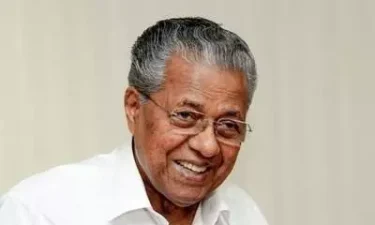
Kerala has made strides in poverty alleviation. On 1 November 2025, the state plans to declare itself entirely free from extreme poverty. This initiative began three years ago...
Residents from six tribal Gram Panchayats in Nandapur block, Koraput district, protested against the Adani Group's bauxite mining project. This protest brought into light concerns regarding environmental and...
The Below Poverty Line (BPL) concept is very important in poverty alleviation strategies. It identifies households that qualify for government assistance. This approach gained prominence in recent decades....
The poverty line is a threshold that indicates the minimum income or consumption level necessary for basic living standards. Individuals or households below this line are considered to...
The need for multilingual education has become increasingly urgent. According to UNESCO's Global Education Monitoring (GEM) report, 40% of the global population lacks access to education in their...