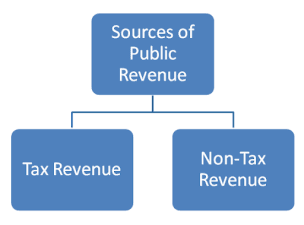
In the Indian Budgetary framework, government receipts are categorized based on their impact on the state's assets and liabilities. This distinction is vital for assessing the fiscal health...
The National Testing Agency cancelled the National Eligibility cum Entrance Test for Undergraduate courses 2026 examination on 12 May 2026 due to allegations of paper leaks and examination...
The Union Budget, formally referred to as the Annual Financial Statement (Article 112), is a comprehensive statement of the estimated receipts and expenditures of the Government of India...
Fiscal Responsibility refers to the obligation of the government to maintain a sustainable balance between its revenues and expenditures. In the Indian context, it emphasizes the importance of...
Public Debt refers to the total financial obligations of the Central and State governments incurred to bridge the gap between their total expenditure and total revenue. In India,...
Public Expenditure refers to the expenses incurred by the public authorities—Central, State, and Local governments—for its own maintenance and for the preservation of the welfare of the economy...
Public Revenue refers to the total income received by the government from all sources to meet its public expenditure. In the context of the Indian Economy, it represents...
In a modern mixed economy like India, the government intervenes through fiscal policy to correct market failures and ensure social equity. According to the Musgrave Three-Function Framework, public...
Public Finance is the branch of economics that studies the taxing and spending activities of the government and the influence of these activities on the economy. In the...
International Nurses Day is celebrated annually on May 12 to honor the contributions of nurses to global healthcare. This day marks the birth anniversary of Florence Nightingale, the...