
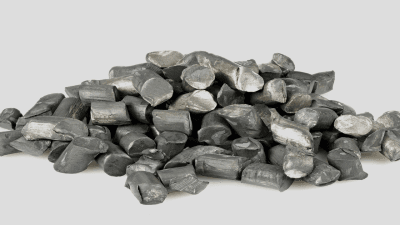
The rise of the electric vehicle (EV) industry has increased the demand for lithium, leading to an increase in exploration and development of new lithium resources. The unique properties of lithium make it an ideal material for EV batteries, which require a light weight and highly reactive metal to provide the high energy density necessary for the long-range capability of these vehicles.
Importance of Lithium
Lithium is one of the most important components of EV batteries, and its significance cannot be overstated. With its low atomic weight, high energy density, and good thermal stability, lithium is a key ingredient in the production of high-performance EV batteries. Lithium-ion batteries are the most commonly used batteries for EVs due to their high energy density, low self-discharge, and low maintenance.
High demand impact
The high demand for lithium has led to an increase in exploration and development of new lithium resources. The Geological Survey of India’s recent discovery of 5.9 million metric tonnes of inferred resources of lithium in Jammu and Kashmir’s Salal-Haimana area is a major step forward in securing the future of the EV industry. Inferred resources are a crucial part of the mineral deposit, as they provide the potential for volume, grade, and mineral necessary for successful extraction and refinement.
Lithium is not found in pure element form due to its high reactivity, and the refining process is a complex and expensive one. However, the high demand for lithium-ion batteries has made this process more economically feasible, leading to an increase in production and refining capabilities. This increased production will help to meet the growing demand for lithium-ion batteries in the EV industry, ensuring that the necessary resources are available for the widespread adoption of electric vehicles.
Last Modified: February 20, 2024