
Scrub typhus is currently spreading across Tamil Nadu, particularly in districts such as Chennai, Kanchipuram, and Vellore. The Public Health Department has raised an alert and is implementing measures to control the outbreak. About scrub typhus is vital for public health and safety.
What Is Scrub Typhus?
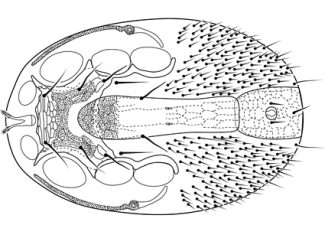
Scrub typhus is a bacterial infection caused by the bacterium Orientia tsutsugamushi. This disease is transmitted through the bites of infected larval mites, known as chiggers. These mites thrive in bushy and forested areas. Scrub typhus can affect individuals of all ages, especially those living or working in such environments.
Reasons for Increased Cases
The recent rise in scrub typhus cases in Tamil Nadu may be attributed to environmental and climatic factors. Changes in weather patterns create favourable conditions for chigger populations. Increased rainfall and warmer temperatures can lead to higher transmission rates.
Symptoms of Scrub Typhus
Common symptoms include fever, headache, fatigue, and rashes. In severe instances, scrub typhus can result in serious complications. These may include pneumonitis, meningitis, heart failure, and organ failure. Prompt recognition of symptoms is crucial for effective treatment.
Diagnosis and Treatment
Early detection is essential for managing scrub typhus. Diagnosis can be confirmed through ELISA blood tests and molecular tests. Treatment typically involves antibiotics such as azithromycin and doxycycline. Severe cases may necessitate hospitalisation and advanced medical care.
At-Risk Populations
Certain groups are more susceptible to scrub typhus. These include farmers and outdoor workers, residents in areas with dense vegetation, pregnant women, and individuals with weakened immune systems. Awareness of these risk factors is important for prevention.
Preventive Measures
Health officials recommend several preventive strategies. Wearing protective clothing like long-sleeved shirts and pants can reduce exposure to chiggers. Using insect repellents containing DEET or permethrin is advised when outdoors. It is also wise to avoid high-risk areas and maintain hygiene by regularly washing clothing and bedding.
Public Health Response
Health authorities are urging vigilance among the public. Individuals who have been in high-risk areas or exhibit symptoms should seek immediate medical attention. Early intervention is key to preventing severe complications from scrub typhus.
Questions for UPSC:
- Examine the impact of climatic changes on the spread of vector-borne diseases like scrub typhus.
- Discuss the significance of early diagnosis and treatment in managing infectious diseases such as scrub typhus.
- What are the socioeconomic factors influencing the vulnerability of certain populations to scrub typhus? Critically analyse.
- With suitable examples, discuss the role of public health campaigns in controlling outbreaks of diseases like scrub typhus.
Answer Hints:
1. Examine the impact of climatic changes on the spread of vector-borne diseases like scrub typhus.
- Climatic changes, including increased rainfall and temperature, create favorable conditions for chigger populations.
- Higher humidity levels can enhance the survival and reproduction rates of vectors.
- Altered weather patterns can expand the geographical range of disease-carrying organisms.
- Environmental changes can disrupt traditional farming and living practices, increasing human exposure to vectors.
- Climate-related disasters may lead to population displacement, exacerbating the spread of diseases.
2. Discuss the significance of early diagnosis and treatment in managing infectious diseases such as scrub typhus.
- Early diagnosis allows for timely intervention, reducing the risk of severe complications.
- Prompt treatment with antibiotics can lower mortality rates associated with scrub typhus.
- Awareness of symptoms leads to quicker medical consultations, improving overall health outcomes.
- Early detection helps in controlling the spread of the disease through effective public health measures.
- It can reduce the burden on healthcare systems by preventing hospitalizations in severe cases.
3. What are the socioeconomic factors influencing the vulnerability of certain populations to scrub typhus? Critically analyse.
- Occupational exposure, particularly among farmers and outdoor workers, increases risk due to proximity to chigger habitats.
- Poverty limits access to healthcare, making early diagnosis and treatment less likely.
- Education levels influence awareness of preventive measures and symptoms of scrub typhus.
- Living in high-risk areas with dense vegetation correlates with increased vulnerability.
- Socioeconomic status affects housing conditions, often leading to inadequate protection against vectors.
4. With suitable examples, discuss the role of public health campaigns in controlling outbreaks of diseases like scrub typhus.
- Public health campaigns raise awareness about scrub typhus symptoms and preventive measures, encouraging prompt action.
- Example – Distribution of insect repellents and protective clothing in high-risk communities can reduce incidence rates.
- Educational programs in schools can inform children and families about avoiding high-risk areas.
- Community engagement initiatives can empower locals to participate in vector control efforts.
- Timely communication of outbreak alerts enables vulnerable populations to take necessary precautions.