
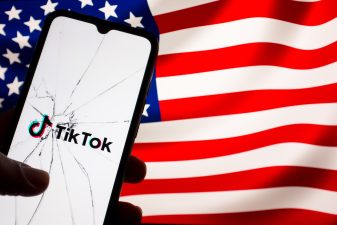
Speculation surrounds the future of TikTok in the United States as the Supreme Court deliberates on a law that could effectively ban the app for over 170 million users. The law stems from national security concerns regarding the app’s Chinese parent company, ByteDance. As the deadline for a potential sale approaches, various implications arise for users and the platform itself.
Background of the Law
The Protecting Americans from Foreign Adversary Controlled Applications Act (PAFACA) emerged from fears that the Chinese government could access US user data through ByteDance. The Biden administration and Congress expressed concerns about national security and potential data manipulation. In March 2024, a report suggested that TikTok had been used to influence the 2022 US midterm elections. PAFACA allows the federal government to ban foreign-owned apps deemed a threat, targeting intermediaries like app stores instead of individual users.
Supreme Court Hearings
In January 2025, TikTok and its users challenged the law in the Supreme Court. They argued it infringes on free speech rights. A lower court had previously upheld the law as constitutional. TikTok’s lawyers contended that the government must demonstrate real harm, rather than merely citing national security. Conversely, the Biden administration defended the law, stating it aims to remove foreign control without limiting free speech on the platform.
Potential Consequences of a Ban
If the Supreme Court upholds the law and ByteDance does not divest, TikTok will become unavailable for download. Existing users may experience degraded performance or access issues. Similar to the ban in India in 2020, users might see prompts indicating the service is inaccessible. Competing platforms like Instagram may seek to attract TikTok’s displaced users.
Political Implications
The Supreme Court’s decision could lead to political ramifications. Incoming President Donald Trump, known for his previous attempts to ban TikTok, may seek to reverse the law. His administration could advocate for Congress to repeal the legislation or instruct the Department of Justice to overlook it. Legal experts suggest he might declare TikTok compliant with the law after specific actions are taken.
User Response and Alternatives
As the situation unfolds, users are exploring alternatives. Some have discussed using Virtual Private Networks (VPNs) or sideloading the app. New platforms may emerge to capture TikTok’s user base. Instagram and other social media apps might enhance their features to attract former TikTok users.
Questions for UPSC –
- Examine the implications of national security concerns on digital platforms in the context of global geopolitics.
- Critically discuss the balance between national security and freedom of speech in democratic societies.
- Discuss in the light of the TikTok case, how foreign ownership of technology firms can impact domestic policies.
- With suitable examples, analyse the role of social media in influencing political outcomes in recent elections.
Answer Hints:
1. Examine the implications of national security concerns on digital platforms in the context of global geopolitics.
- National security concerns often lead to increased scrutiny of foreign-owned digital platforms.
- Governments may implement laws to protect user data and prevent potential espionage.
- Geopolitical tensions can influence regulatory decisions, as seen with TikTok and ByteDance.
- Such laws may create a precedent for other countries to impose similar restrictions.
- The implications can include a fragmented digital landscape and reduced global cooperation in technology.
2. Critically discuss the balance between national security and freedom of speech in democratic societies.
- Democratic societies value both national security and freedom of speech as fundamental rights.
- Legislation like PAFACA raises questions about government overreach and censorship.
- Legal challenges often arise when laws are perceived to infringe on free expression.
- The challenge lies in defining what constitutes a legitimate national security threat.
- Public discourse is essential to maintain this balance and ensure accountability.
3. Discuss in the light of the TikTok case, how foreign ownership of technology firms can impact domestic policies.
- Foreign ownership can lead to national security concerns, prompting regulatory scrutiny.
- Governments may enact laws to mitigate perceived risks associated with foreign control.
- Such actions can affect foreign investment and the operational landscape for tech firms.
- The TikTok case illustrates how public perception can drive policy changes regarding foreign firms.
- Domestic policies may shift towards protecting local industries and data sovereignty.
4. With suitable examples, analyse the role of social media in influencing political outcomes in recent elections.
- Social media platforms have become tools for political campaigning and voter mobilization.
- Examples include the use of targeted ads and misinformation during the 2016 US elections.
- In the 2022 US midterms, allegations arose about TikTok’s influence on voter behavior.
- Social media can amplify political messages and shape public opinion rapidly.
- However, it also raises concerns about misinformation and the integrity of democratic processes.