
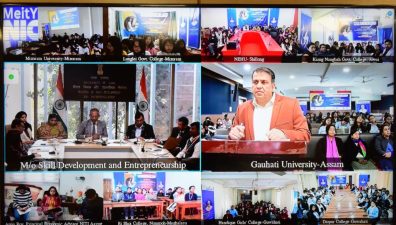
The Ministry of Skill Development and Entrepreneurship (MSDE) launched the Swavalambini Programme. This initiative aims to empower women entrepreneurs in the northeastern states of India. It focuses on equipping female students with the skills and resources necessary for entrepreneurial success. The programme marks effort to nurture women-led enterprises in a region rich in potential.
Programme Overview
- Swavalambini is a structured initiative designed to support female students in Higher Education Institutions (HEIs) across Assam, Meghalaya, and Mizoram.
- The programme offers a step-by-step entrepreneurial process.
- It includes awareness, development, mentorship, and funding support.
- Participants who successfully establish their ventures will receive recognition and awards.
- This recognition aims to inspire others to pursue entrepreneurship.
Key Features
- The programme includes the Entrepreneurship Awareness Programme (EAP) and the Women Entrepreneurship Development Programme (EDP).
- The EAP introduces 600 female students to the basics of entrepreneurship in a two-day session.
- The EDP is more intensive, offering 40 hours of training to 300 selected students. This training covers essential business topics such as finance, market linkages, and legal compliance.
Mentorship and Support
Post-training, participants will receive six months of mentorship. This support is crucial for translating ideas into viable business models. The initiative aims to ensure that women in the northeastern states receive adequate guidance and financial backing. This is essential for unlocking their entrepreneurial potential.
Faculty Development
Recognising the role of educators, the programme includes a Faculty Development Programme (FDP). This five-day training will upskill faculty members in HEIs. They will learn the latest industry insights and effective coaching techniques. This ensures that educators can effectively mentor aspiring entrepreneurs.
Financial and Policy Support
The Swavalambini Programme aligns with the Government of India’s broader commitment to women-led entrepreneurship. Initiatives like Start-Up India and PM Mudra Yojana have set the stage for increased support. The 2025 Union Budget further reinforces this commitment with increased funding for start-ups. A dedicated fund of ₹10,000 crore has been announced, along with extended tax exemptions for start-up profits.
Recognition and Awards
A unique aspect of the programme is the Award to Rewards Initiative. This initiative will celebrate successful women entrepreneurs emerging from Swavalambini. It aims to inspire the next generation of female business leaders. The recognition serves to highlight the importance of women-led enterprises in India’s economic landscape.
Future Aspirations
The programme aspires to see at least 10% of EDP trainees launch successful enterprises. By encouraging a culture of entrepreneurship within HEIs, Swavalambini represents step towards empowering women. It aims to create an ecosystem where women entrepreneurs can thrive and contribute to India’s economic growth.
Questions for UPSC:
- Examine the role of women entrepreneurship in India’s economic development.
- Critically discuss the impact of the National Education Policy 2020 on skill development in India.
- Analyse the significance of mentorship in encouraging entrepreneurship among women.
- Estimate the potential effects of government funding on the growth of start-ups in India.
Answer Hints:
1. Examine the role of women entrepreneurship in India’s economic development.
- Women entrepreneurship contributes to job creation, reducing unemployment rates.
- It enhances economic diversification by introducing new products and services.
- Women-led businesses often reinvest profits into local communities, encouraging development.
- Empowering women entrepreneurs promotes gender equality and social inclusion.
- Successful women entrepreneurs serve as role models, inspiring future generations.
2. Critically discuss the impact of the National Education Policy 2020 on skill development in India.
- NEP 2020 emphasizes skill integration into the curriculum, promoting practical learning.
- It encourages industry collaboration, ensuring education aligns with market needs.
- The policy promotes entrepreneurship education, encouraging a culture of innovation.
- Focus on vocational training enhances employability among graduates.
- NEP aims to bridge the gap between education and skill requirements in the workforce.
3. Analyse the significance of mentorship in encouraging entrepreneurship among women.
- Mentorship provides guidance, helping women navigate the challenges of entrepreneurship.
- It enhances confidence and decision-making skills through experiential learning.
- Mentors can facilitate networking opportunities, which are crucial for business growth.
- Support from mentors can lead to increased access to funding and resources.
- Mentorship encourages a supportive community, reducing isolation faced by women entrepreneurs.
4. Estimate the potential effects of government funding on the growth of start-ups in India.
- Government funding can provide essential capital for start-ups to launch and scale.
- It reduces financial barriers, encouraging more individuals to pursue entrepreneurship.
- Funding initiatives can stimulate innovation by supporting research and development.
- Access to government grants and loans can enhance the sustainability of start-ups.
- Increased funding contributes to job creation, driving overall economic growth.