
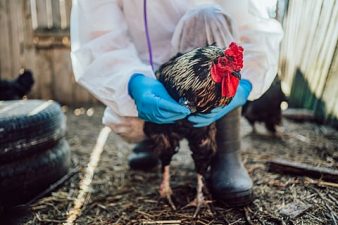
The United States Department of Agriculture (USDA) recently approved a conditional licence for an avian flu vaccine aimed at chickens. This decision comes as the nation grapples with outbreak of avian influenza, which has devastated poultry populations and led to soaring egg prices. The vaccine, developed by Zoetis, aims to boost the government’s response to the ongoing crisis.
Overview of Avian Flu Outbreak
- The avian flu outbreak has severely impacted the poultry industry since 2022.
- Over 150 million birds have been affected. In the last month alone, 146 flocks were confirmed with the virus, impacting over 20.5 million birds.
- The outbreak has also resulted in 70 human cases, including one fatality.
- The Centers for Disease Control and Prevention (CDC) maintains that the risk to the general public remains low, but farm workers are at greater risk.
Conditional Licence Explained
The USDA’s conditional licence allows the use of the avian flu vaccine under special circumstances. Zoetis demonstrated the vaccine’s safety and efficacy to obtain this approval. Conditional licences are typically issued during emergencies, and they are valid for a limited time. The decision to vaccinate commercial flocks will be made by national regulatory authorities in collaboration with the poultry industry.
Shift in Vaccination Strategy
Historically, the US has focused on eradicating avian flu through culling infected birds. However, as the virus spreads to other animals, including cattle, vaccination strategies are evolving. Other countries have already implemented vaccination programs for chickens. The US may now adopt similar measures to control the outbreak more effectively.
Impact on Egg Prices
The ongoing avian flu outbreak has resulted in rise in egg prices. Estimates suggest a 20% increase in egg prices for 2025, contrasting with a general food price increase of only 2.2%. This inflation in egg prices is primarily due to the aggressive strain of avian flu affecting supply chains.
Consumer Impact
US consumers are expected to face continued high prices for eggs and other grocery items. The avian flu outbreak has disrupted supply chains and contributed to inflation in food prices. As the situation evolves, consumers will need to adapt to the changing market dynamics.
Questions for UPSC:
- Critically examine the impact of avian flu on the poultry industry and consumer prices in the United States.
- Discuss in the light of current events the significance of vaccination strategies in managing animal diseases.
- Explain the role of government agencies in responding to agricultural crises like the avian flu outbreak.
- With suitable examples, discuss the economic implications of animal diseases on food security and public health.
Answer Hints:
1. Critically examine the impact of avian flu on the poultry industry and consumer prices in the United States.
- Over 150 million birds have been affected since the outbreak began in 2022, severely disrupting poultry production.
- In the last month alone, 146 flocks were confirmed with avian flu, impacting more than 20.5 million birds.
- Egg prices are projected to rise by 20% in 2025, higher than the general food price increase of 2.2%.
- High egg prices are a direct result of supply chain disruptions caused by the aggressive strain of avian flu.
- The outbreak has also led to increased prices for other grocery items, indicating broader inflationary trends in the food market.
2. Discuss in the light of current events the significance of vaccination strategies in managing animal diseases.
- The USDA granted a conditional licence for an avian flu vaccine, marking a shift from traditional culling strategies.
- Vaccination is crucial as it can help control the spread of avian flu, especially as the virus affects other animals.
- Other countries have successfully implemented vaccination programs, demonstrating their effectiveness in managing outbreaks.
- The conditional licence indicates a recognition of the vaccine as a vital tool for emergency response in agriculture.
- Collaboration between companies like Zoetis and government agencies is essential for developing effective vaccination strategies.
3. Explain the role of government agencies in responding to agricultural crises like the avian flu outbreak.
- The USDA plays a critical role in monitoring outbreaks and granting licences for vaccines to ensure animal health.
- Government agencies collaborate with the poultry industry to make informed decisions about vaccination and biosecurity measures.
- The CDC assesses public health risks associated with animal diseases, guiding safety protocols for farm workers.
- Economic advisors, like the National Economic Council, work on comprehensive plans to mitigate the financial impact of outbreaks.
- Government agencies also communicate with the public about risks and price implications, ensuring transparency and preparedness.
4. With suitable examples, discuss the economic implications of animal diseases on food security and public health.
- Avian flu has led to poultry losses, directly affecting food supply and increasing prices for consumers.
- The rise in egg prices illustrates how animal diseases can disrupt food security, as eggs are a staple food item.
- Human cases of bird flu, although rare, highlight the potential public health risks associated with zoonotic diseases.
- The economic burden of animal diseases includes increased costs for farmers and consumers, as seen with the projected 20% rise in egg prices.
- Preventive measures, such as vaccination, can mitigate these economic impacts by reducing the need for culling and maintaining supply chains.