
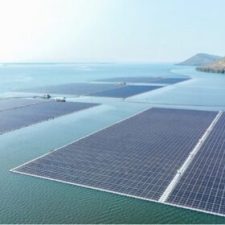
The Kerala Cabinet approved the ‘Guidelines on Development of Floating Solar Power Plants’. This initiative aims to enhance renewable energy capacity in the state. The guidelines are part of Kerala’s broader Solar Energy Policy. They provide a framework for utilising water bodies for solar energy generation. The target is to achieve 3 gigawatts (GW) of renewable energy capacity.
Overview of Floating Solar Projects
Floating solar projects involve the installation of solar panels on water surfaces. This method optimises land use and reduces evaporation from water bodies. Kerala plans to use its reservoirs, backwaters, and water-filled quarries for these installations. The projects are expected to generate renewable energy.
Application Process for Developers
The guidelines establish a single-window system for developers. This simplifies the application process for permissions. Developers can apply through three modes – via government-issued tenders, direct applications, or proposals for identified land bank sites. Eligible developers must have prior experience in power generation.
Site Categories and Potential
The guidelines categorise sites into two groups. Category A includes reservoirs managed by the Kerala State Electricity Board (KSEB) and the Water Resources Department. These sites could potentially generate 5,000 megawatts (MW). Category B includes backwaters and water bodies from mining activities, with a potential of 1,500 MW.
Coordination and Oversight
The Agency for New and Renewable Energy Research and Technology (ANERT) will coordinate the projects. A high-level committee led by the Chief Secretary will oversee the initiative. District-level committees will identify suitable sites for development.
Energy Storage and Future Implications
Developers are encouraged to incorporate energy storage systems. The guidelines suggest a storage capacity of up to 50% of the energy produced. In the long term, floating solar projects can integrate with pumped storage projects and contribute to a hydrogen economy. This could enable the generation of green hydrogen through electrolysis.
Rights and Approvals
The guidelines state that KSEB has the right of first refusal for power generated from these plants. For projects in reservoirs managed by the Water Resources Department, they also have the right of first refusal, followed by KSEB. This ensures that the state’s energy needs are prioritised.
Environmental and Economic Impact
Floating solar projects are environmentally friendly. They help reduce carbon emissions and increase renewable energy sources. Economically, they can create jobs and stimulate local economies. This aligns with Kerala’s commitment to sustainable development.
Potential Challenges
Challenges may arise in terms of site selection and environmental impact assessments. Developers must navigate regulations and ensure minimal disruption to aquatic ecosystems. Ongoing monitoring will be essential to mitigate any adverse effects.
Questions for UPSC:
- Critically analyse the potential of floating solar projects in addressing energy needs in India.
- Explain the significance of a single-window system in promoting renewable energy projects.
- What are the implications of integrating floating solar projects with pumped storage systems? Discuss.
- Comment on the role of government policies in enhancing renewable energy capacity in Kerala.
Answer Hints:
1. Critically analyse the potential of floating solar projects in addressing energy needs in India.
- Floating solar projects utilize water surfaces, optimizing land use and reducing competition for land resources.
- India has vast water bodies suitable for floating solar, which can contribute to the renewable energy target.
- These projects can reduce evaporation from water bodies, enhancing water conservation while generating energy.
- Floating solar can provide energy in remote areas where traditional solar installations may be impractical.
- They can help diversify India’s energy mix, reducing reliance on fossil fuels and enhancing energy security.
2. Explain the significance of a single-window system in promoting renewable energy projects.
- A single-window system streamlines the application process, reducing bureaucratic hurdles for developers.
- It enhances transparency and efficiency in the approval process, encouraging more investment in renewable projects.
- Developers can receive all necessary permissions from various departments through one platform, saving time and resources.
- This system facilitates better coordination among government agencies, ensuring timely project implementation.
- It can attract a broader range of developers, including smaller firms, increasing competition and innovation in the sector.
3. What are the implications of integrating floating solar projects with pumped storage systems? Discuss.
- Integration allows for effective energy storage, balancing supply and demand, and enhancing grid stability.
- Pumped storage can store excess energy generated during peak sunlight hours for use during low generation periods.
- This combination can improve the overall efficiency of renewable energy systems, making them more reliable.
- It supports the development of a hydrogen economy by enabling green hydrogen production through electrolysis.
- The synergy between floating solar and pumped storage can lead to reduced carbon emissions and support climate goals.
4. Comment on the role of government policies in enhancing renewable energy capacity in Kerala.
- Government policies provide a clear framework and guidelines for renewable energy development, ensuring investor confidence.
- Incentives and support mechanisms encourage private sector participation in renewable energy projects.
- Policies promote the use of local resources and technologies, encouraging innovation and job creation in the state.
- They address environmental concerns by emphasizing sustainable practices in energy generation.
- Through strategic planning, government policies can align renewable energy goals with broader economic and social objectives.