
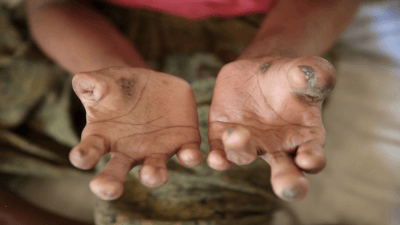
Leprosy, also known as Hansen’s disease, is a chronic infectious disease that affects the skin, peripheral nerves, eyes and mucous membranes. Despite being curable, the disease still poses a threat to public health and carries a significant social stigma. To address this, the World Health Organization (WHO) has released its Global Leprosy Strategy 2021-2030 Towards zero leprosy.
WHO Global Leprosy Strategy 2021-2030
The strategy is focused on reducing the impact of leprosy through four main pillars:
- Implement integrated, country-owned strategies to end leprosy in all endemic countries
- Scale up preventive measures and detect active cases
- Manage leprosy and associated complications and prevent the occurrence of new disabilities
- Safeguard human rights and address stigma associated with leprosy.
Addressing Gaps in South-East Asia Region
The WHO has recently urged countries in the South-East Asia Region to address gaps created by the COVID-19 pandemic-led disruptions and accelerate efforts to achieve the vision of the Global Leprosy Strategy 2021-2030, which is “zero leprosy disease, stigma and discrimination.”
Synopsis
Leprosy continues to pose a threat to public health and carry a significant social stigma. The WHO Global Leprosy Strategy 2021-2030 provides a comprehensive approach to addressing this issue and working towards the goal of zero leprosy disease, stigma and discrimination. The focus on implementing integrated, country-owned strategies, scaling up preventive measures, managing the disease and its complications, and safeguarding human rights will go a long way in achieving this goal. The WHO’s recent call to action in the South-East Asia Region to address the disruptions caused by the COVID-19 pandemic highlights the urgency of the situation and the need for continued efforts in the fight against leprosy.
Last Modified: February 20, 2024