
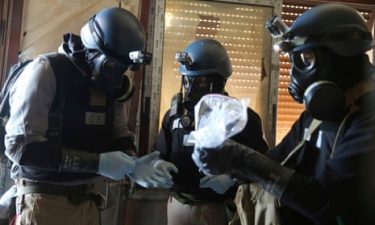
The recent political changes in Syria present a very important moment for the nation’s chemical weapons program. Following the fall of Bashar al-Assad’s regime, new authorities have signalled a willingness to cooperate with international disarmament efforts. However, the path to dismantling Syria’s chemical weapons remains fraught with challenges. Unresolved declarations and ongoing security threats complicate the process, making it concern for both regional and global security.
Historical Context of Chemical Weapons in Syria
Syria has a long history of chemical weapons use, particularly under Assad’s rule. The infamous 2013 sarin gas attack in Ghouta resulted in over 1,100 civilian deaths. This incident led to international condemnation and Syria’s subsequent accession to the Chemical Weapons Convention (CWC). Despite this, reports suggest that the Assad regime did not fully disclose its chemical arsenal and continued to use these weapons post-2013.
Current Status of Chemical Weapons Program
The Organisation for the Prohibition of Chemical Weapons (OPCW) has identified discrepancies in Syria’s chemical weapons declarations. Despite numerous amendments to its original declaration, the extent of Syria’s chemical programme remains unclear. Ongoing investigations suggest that chemical weapons may still be hidden or stored in undisclosed locations.
Security Concerns and Political Instability
Syria remains unstable following the regime change. Clashes between the Syrian Caretaker Authority and loyalist forces continue, resulting in casualties. This ongoing conflict poses risks to OPCW inspectors and disarmament teams, complicating efforts to verify and destroy remaining chemical stockpiles.
Building Trust and Ensuring Compliance
To facilitate long-term compliance with disarmament efforts, the OPCW plans to establish a permanent presence in Damascus. Joint site inspections are essential, but logistical challenges and security threats hinder these initiatives. Rebuilding trust between Syria and the international community is crucial for successful disarmament.
International Support and Resources
Despite a renewed willingness from Syria’s new authorities, the OPCW lacks the necessary resources to dismantle the chemical weapons program effectively. Significant international funding and logistical support are required to accomplish the disarmament goals. Political divisions among permanent members of the UN Security Council could further delay progress.
The Future of Syria’s Chemical Weapons
With the Assad regime’s departure, Syria has a chance to address its chemical weapons legacy. However, dismantling the program will require overcoming various challenges, including unresolved discrepancies, security for inspectors, and preventing the misuse of any remaining stockpiles. The international community’s involvement will be crucial in this complex and lengthy process.
Questions for UPSC:
- Examine the implications of chemical weapons use on international relations and security.
- Discuss the role of the Organisation for the Prohibition of Chemical Weapons in global disarmament efforts.
- What are the challenges faced by international organisations in conflict zones? Provide examples.
- Critically discuss the impact of political instability on disarmament initiatives in war-torn countries.
Answer Hints:
1. Examine the implications of chemical weapons use on international relations and security.
- Use of chemical weapons often leads to international condemnation and sanctions.
- It can trigger military interventions or collective security actions by states.
- Impacts diplomatic relations between nations, especially if allies are involved.
- Contributes to regional instability, affecting neighboring countries.
- Undermines global disarmament treaties and efforts, challenging international norms.
2. Discuss the role of the Organisation for the Prohibition of Chemical Weapons in global disarmament efforts.
- OPCW oversees the implementation of the Chemical Weapons Convention (CWC).
- It conducts inspections to verify compliance and investigates alleged use of chemical weapons.
- Facilitates destruction of chemical arsenals and provides technical assistance to member states.
- Promotes international cooperation and awareness on chemical disarmament issues.
- Acts as a mediator between states to resolve disputes related to chemical weapons.
3. What are the challenges faced by international organisations in conflict zones? Provide examples.
- Security threats to personnel and operations, as seen with OPCW in Syria.
- Political instability hampers effective coordination and implementation of programs.
- Access restrictions to conflict areas limit the ability to conduct assessments.
- Resource constraints, including funding and logistical support, hinder operations.
- Trust issues between conflicting parties complicate negotiations and compliance.
4. Critically discuss the impact of political instability on disarmament initiatives in war-torn countries.
- Political instability often leads to a lack of commitment to disarmament agreements.
- Ongoing conflict can prevent access for verification and inspection teams.
- Distrust among factions complicates collaborative efforts for disarmament.
- Instability can result in the proliferation of weapons, including chemical agents.
- International community may be hesitant to engage without stable governance.