
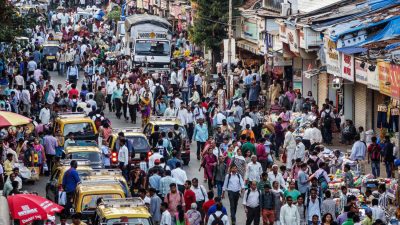
Overpopulation occurs when a region’s population exceeds its ecological capacity. This situation results in insufficient resources such as food, water, and shelter. It can lead to environmental degradation and a decline in the quality of life. Overpopulation is particularly evident in densely populated areas, where the strain on resources is most acute.
Key Indicators of Overpopulation
Several indicators signal overpopulation:
- High population density
- Resource scarcity
- Increased pollution levels
- Declining quality of life
- Strain on healthcare and education systems
Causes of Overpopulation
Overpopulation arises from various interconnected factors. About these can help address the issue effectively.
1. Decline in Mortality Rates
Advancements in healthcare have reduced mortality rates. Better medical care and improved living conditions allow more people to live longer. While this is beneficial, it contributes to population growth.
2. Increased Birth Rates
In many regions, birth rates remain high. This can be attributed to cultural beliefs, lack of family planning, and insufficient education about reproductive health. High birth rates lead to rapid population increases.
3. Lack of Family Planning Education
Inadequate access to family planning resources results in larger families. Many individuals lack knowledge about contraception and reproductive health. This lack of awareness perpetuates high birth rates.
4. Cultural Influences
Some cultures value large families for various reasons. In these societies, having many children is seen as a sign of prosperity. Cultural norms can strongly influence family size and population growth.
5. Historical Context
Historically, larger families were necessary for agricultural labour. However, advancements in technology have reduced this need. Some communities still adhere to the old belief of having many children, contributing to overpopulation.
6. Migration Patterns
Migration can lead to population surges in specific areas. People often relocate in search of better opportunities or safety. When large groups settle in one location, they can strain local resources.
7. Unequal Opportunities
Socioeconomic disparities often lead to higher birth rates. In areas with limited access to education and employment, families tend to have more children. This cycle perpetuates poverty and overpopulation.
8. Control of Diseases
Medical advancements have successfully controlled many diseases that once limited population growth. While this is an achievement, it has also led to more people surviving and reproducing.
9. Lack of Awareness
In some regions, there is a lack of understanding about the implications of overpopulation. Without education on the benefits of smaller families, population growth remains unchecked.
Last Modified: March 15, 2025